

November 25, 2025
Proper tree trimming is both an art and a science. The right technique can strengthen a tree, improve its structure, and extend its life for decades. The wrong approach can cause permanent damage, invite disease, and create safety hazards that put your property at risk.
This guide covers the professional trimming techniques used by certified arborists at Earthworks Tree Service in Bellingham, Washington. You will learn how to make clean cuts, where to prune, which tools work best, and how different tree species respond to various methods.
Understanding the Three-Cut Method for Large Branches
Large branches require a specific approach to prevent bark tearing and trunk damage. The three-cut method is the industry standard for removing branches over two inches in diameter.
- Step 1: The Undercut. Make the first cut on the underside of the branch, 12 to 18 inches from the trunk. Cut upward about one-third through the branch. This prevents the bark from tearing down the trunk when the branch falls.
- Step 2: The Relief Cut. Make the second cut from the top, 2 to 3 inches beyond the undercut. Cut all the way through until the branch falls. The undercut prevents the falling weight from stripping bark.
- Step 3: The Final Cut. Remove the remaining stub with a clean cut just outside the branch collar. This is where the tree naturally seals the wound.
Skipping any of these steps risks tearing bark down to the trunk, creating wounds that take years to close and often lead to decay.
Identifying and Cutting at the Branch Collar
The branch collar is the slightly swollen area where a branch meets the trunk or parent branch. This tissue contains specialized cells that compartmentalize wounds and begin the healing process.
- How to Find the Branch Collar: Look for a slight ridge or swelling at the branch base. On most trees, you’ll see a raised line of bark forming a collar around the connection point. The angle varies by species, but the collar is always present.
- Proper Cutting Angle: Position your cut just outside the collar, angling slightly away from the trunk. Never cut flush with the trunk; this removes protective tissue. Never leave a long stud; this prevents proper sealing.
The collar produces callus tissue that gradually covers the wound. A correctly placed cut allows the tree to seal itself naturally within one to three growing seasons, depending on the size and species.
Clean Cuts vs. Torn Cuts: What Makes the Difference
The quality of your cut determines how quickly a tree heals. Clean cuts seal faster, while torn or ragged cuts remain open longer and attract pests.
Characteristics of Clean Cuts:
- Smooth surface with no torn fibers
- Made with sharp, properly maintained tools
- Single motion through the wood
- No crushing or compression of bark
Problems with Poor Cuts: Dull blades crush plant tissue instead of slicing through it. This damages cells beyond the cut surface, creating a larger wound that takes more energy to seal. Torn bark exposes inner wood to moisture, fungi, and boring insects.
Tool Maintenance: Sharpen blades before each major pruning session. Clean tools with rubbing alcohol between cuts on different trees to prevent disease transmission. Replace damaged or bent blades immediately.
In Bellingham’s wet climate, clean cuts are especially important. Moisture accelerates decay in ragged wounds, turning minor pruning into major structural problems.
Proper Tools for Different Trimming Jobs
Selecting the right tool ensures clean cuts and prevents unnecessary tree damage.
- Hand Pruners (up to ¾ inch): Bypass pruners work like scissors, making clean cuts on small branches and twigs. Use these for detailed shaping and removing small deadwood. Anvil pruners crush stems and should be avoided.
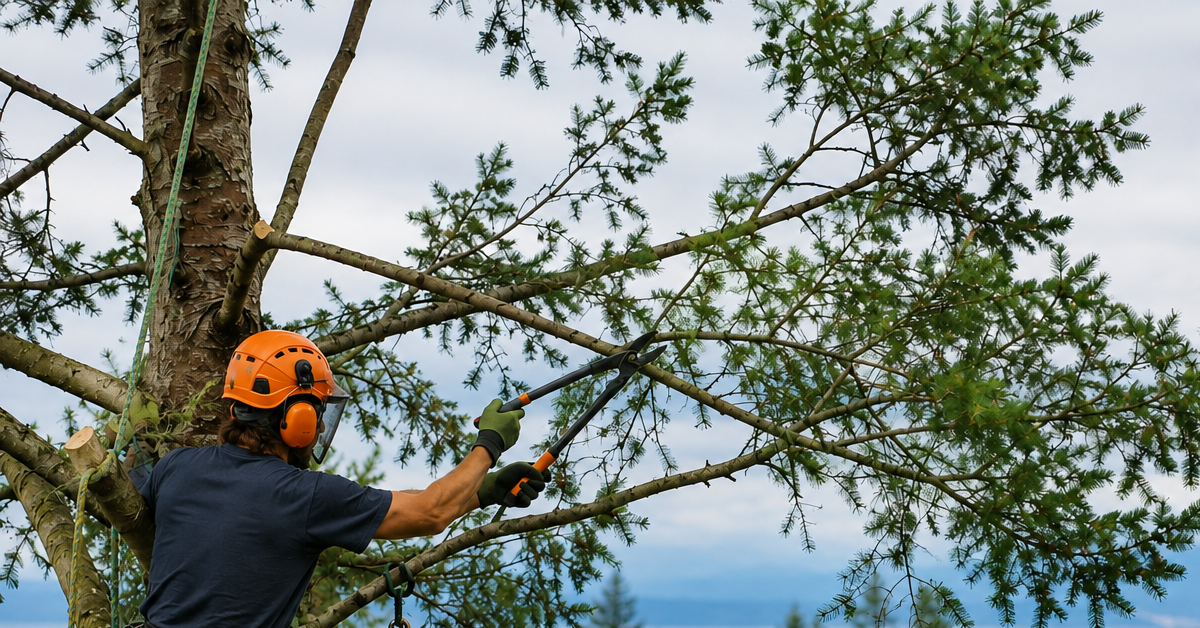
- Loppers (¾ to 2 inches): Long-handled pruners give leverage for medium branches. The extended reach eliminates the need for ladders on lower limbs. Choose bypass-style loppers with sharp, replaceable blades.
- Pruning Saws (2 to 6 inches): Curved pruning saws cut on the pull stroke, giving better control in tight spaces. These are essential for the three-cut method on large branches. Keep the blade sharp and clean.
- Pole Pruners (high branches): Pole-mounted pruners or saws extend your reach up to 15 feet. These work well for removing small high branches without climbing. Never use these on branches over 2 inches in diameter.
- Chainsaws (6+ inches): Professional-grade work only. Chainsaws require training, safety equipment, and experience. Improper use causes severe injuries and tree damage.
Always match the tool to the branch size. Forcing a small tool through large wood creates torn, ragged cuts that don’t heal properly.
Thinning vs Heading Cuts – What They Mean and When to Use Them
Two basic cut types shape how trees respond to pruning. Using the wrong type creates weak growth and poor structure.
Thinning Cuts: Remove entire branches back to the parent limb or trunk. These cuts reduce density without changing the tree’s natural shape. Thinning improves air circulation, reduces wind resistance, and maintains strong branch angles.
Best for: Opening dense canopies, removing crossing branches, correcting structure.
Heading Cuts: Remove part of a branch, cutting back to a bud or lateral branch. These cuts stimulate growth below the cut, creating multiple new shoots. Heading changes the tree’s shape and encourages dense, bushy growth.
Best for: Directing growth away from structures, shaping young trees, and controlling size in specific species.
Why This Is Important: Excessive heading creates weak branch attachments that break easily. Multiple shoots growing from one point compete for dominance, leading to narrow, weak angles. For most mature trees in Bellingham, thinning cuts provide better long-term results.
Ornamental shrubs and young trees benefit from selective heading, but only when done with knowledge of growth patterns and species response.
Crown Reduction Without Topping
Reducing tree height safely requires skill and knowledge. Topping cutting branches back to stubs creates weak, hazardous growth and should never be done.
Proper Crown Reduction: Remove height by cutting back to lateral branches that are at least one-third the diameter of the removed section. This maintains the tree’s natural shape while reducing its size.
Make reduction cuts to branches growing in the desired direction. The remaining branch becomes the new leader, maintaining apical dominance and strong structure.
Why Topping Fails: Topped trees produce clusters of weak shoots called water sprouts. These grow rapidly but attach poorly, breaking easily during storms. Topped trees develop decay in the stub area, creating hazards that worsen over time.
When Height Reduction Is Needed: Clear power lines, reduce storm risk on damaged trees, or manage trees in confined spaces. Always work with certified arborists for crown reduction. Improper cuts turn manageable trees into permanent hazards.
Bellingham’s winter storms put stress on tall trees. Strategic crown reduction, done properly, improves wind resistance without compromising health.
Species-Specific Techniques for Bellingham Trees
Different species respond differently to pruning techniques. Understanding these patterns helps you work with the tree’s natural growth.
- Maples, Alders, Birches: These trees compartmentalize decay well but bleed heavily if pruned during spring sap flow. Make clean thinning cuts during dormancy. Avoid heading cuts, which create dense, weak growth. Remove crossing branches to maintain an open structure.
- Flowering Trees (Dogwood, Cherry, Magnolia): Prune after flowering to preserve next year’s blooms. Use selective thinning to maintain natural shape. Avoid heavy pruning, which reduces flowering. These species respond poorly to aggressive cutting.
- Evergreens and Conifers (Cedar, Pine, Spruce, Fir): Never cut into old wood without foliage; these species won’t generate new growth. Trim only into live, green growth. Use thinning cuts to reduce density. Remove entire branches to the trunk rather than shortening them. Avoid shearing, which creates dense exterior growth and dead interior branches.
- Fruit Trees (Apple, Pear, Plum): Use a combination of thinning and heading cuts to maintain open centers and fruiting wood. Remove water sprouts and suckers completely. Prune to outward-facing buds to encourage spreading growth. These trees tolerate more aggressive pruning than ornamentals.
- Oaks and Elms: Use only thinning cuts to reduce disease risk. Make cuts precise and clean to speed healing. Never prune during active disease transmission periods. These species benefit from minimal intervention once properly structured.
Local species developed in Bellingham’s climate. Working with their natural growth patterns produces healthier, stronger trees than fighting against them.
Avoiding Common Technique Mistakes
Even experienced gardeners make pruning errors that damage trees. Understanding these mistakes helps you avoid them.
- Flush Cuts: Cutting flush with the trunk removes the branch collar, eliminating the tree’s natural defense zone. Without the collar, wounds stay open longer and decay spreads into the trunk. Always leave the collar intact.
- Stub Cuts: Leaving long stubs beyond the collar prevents proper sealing. Stubs die back, creating entry points for decay organisms. The tree wastes energy trying to seal around dead wood. Cut just outside the collar, no further.
- Lion’s Tailing: Removing all interior branches and leaving only growth at branch tips creates weak, top-heavy limbs. This technique destroys the tree’s natural structure and increases storm damage risk. Distribute foliage along the entire branch length.
- Over-Thinning: Removing more than 25 percent of live foliage at once stresses trees and depletes energy reserves. Extensive thinning triggers survival responses that produce weak, rapid growth. Spread major pruning across multiple years.
- Painting Wounds: Wound dressings and tree paint don’t help healing and may trap moisture that promotes decay. Trees seal wounds naturally through callus tissue. Clean cuts need no additional treatment.
- Random Cutting: Pruning without a plan creates an unbalanced structure and misshapen growth. Always step back and assess before cutting. Have a clear goal for each cut.
Professional arborists avoid these errors through training and experience. That’s why expert trimming produces lasting results while amateur work often creates new problems.
How Bellingham’s Climate Affects Technique
The Pacific Northwest climate influences which techniques work best for local trees.
- Wet Winters: Moisture accelerates decay in open wounds. Clean, precise cuts become even more important when rain is frequent. Proper collar cuts seal faster, reducing exposure to wet conditions.
- Mild Summers: Lower summer stress means trees recover well from careful dormant-season pruning. But summer heat still slows healing on large cuts. Save major pruning for late winter when possible.
- Wind Exposure: Coastal and valley locations face strong winter winds. Thinning dense canopies reduces wind resistance and prevents branch failure. Remove crossing branches that rub and weaken during storms.
- Native vs. Non-Native Species: Species evolved in the Pacific Northwest handle local conditions better than imports. Use gentler techniques on non-native trees that may be stressed by climate differences.
Understanding local conditions helps you adjust timing and technique for the best results. The same cuts that work in dry climates may fail in Bellingham’s moisture.
When to Call Professional Arborists
Some trimming work requires professional expertise and equipment.
Situations Requiring Professionals:
- Branches over 4 inches in diameter
- Work above 15 feet in height
- Branches near power lines
- Trees with decay or structural damage
- Crown reduction or major shaping
- Work requiring climbing or aerial lifts
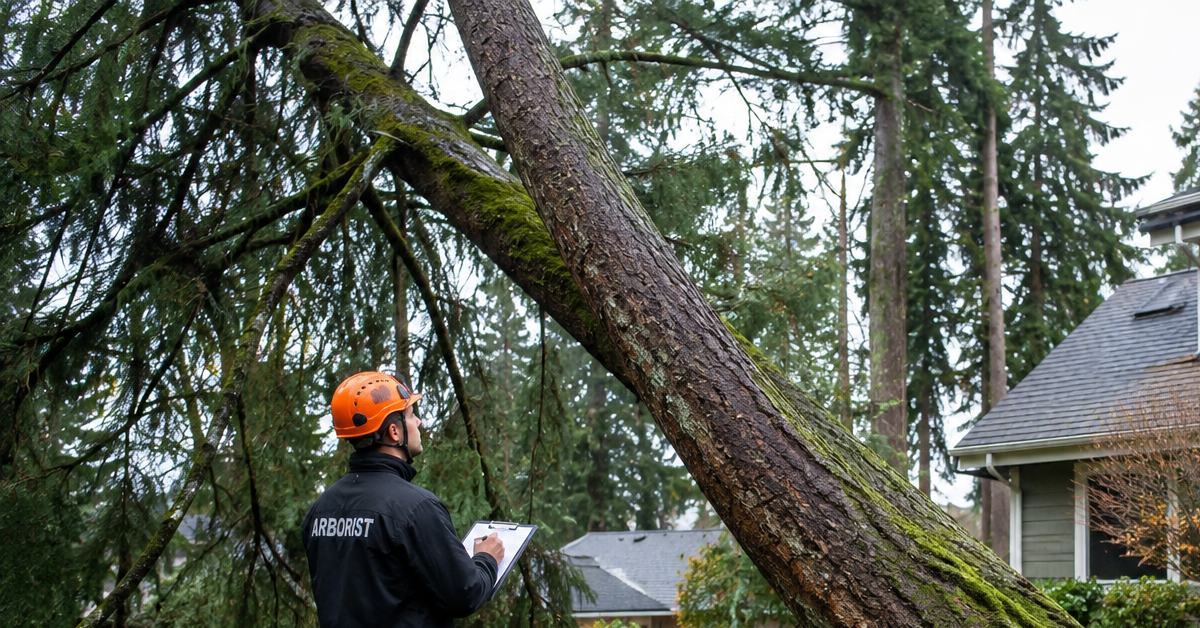
What Professionals Bring: Certified arborists understand tree biology, species characteristics, and proper technique. They carry insurance protecting your property. They have specialized equipment for safe, efficient work. They recognize disease and structural problems that homeowners miss.
The Earthworks Tree Service Approach: Every project starts with an assessment. Arborists evaluate species, health, structure, and goals. A detailed plan identifies priority cuts and preservation strategies. Execution uses sharp, clean tools and proper technique. Cleanup removes all debris, leaving your property ready to enjoy.
This systematic approach ensures every tree receives appropriate care based on its specific needs.
Long-Term Benefits of Proper Trimming Technique
Correct pruning technique creates benefits that last for years:
- Structural Strength: Well-placed cuts maintain proper branch angles and weight distribution. Trees develop strong attachments that resist storm damage. Balanced canopies reduce stress on roots and trunk.
- Disease Resistance: Clean cuts seal quickly, preventing pathogen entry. Proper technique maintains the tree’s natural defenses. Reduced wounds mean fewer vulnerable points.
- Directed Growth: Strategic cuts guide growth away from structures and toward open spaces. Trees develop the shape you want without constant intervention.
- Property Value: Healthy, well-maintained trees increase home value and curb appeal. Professional trimming shows property care and reduces buyer concerns.
- Environmental Benefits: Properly trimmed trees support Bellingham’s urban forest. They provide wildlife habitat, improve air quality, and offer cooling shade. Healthy trees capture stormwater and prevent erosion.
Investing in proper technique now prevents expensive corrective work later. Trees that receive skilled care from the start develop into valuable, long-lived landscape assets.
Frequently Asked Questions
What’s the most important trimming technique to learn?
Making proper cuts at the branch collar. This single technique affects healing speed, disease resistance, and long-term health more than any other factor. Master collar identification and correct angle before attempting complex pruning.
Can I use hedge trimmers on trees?
No. Hedge trimmers create ragged cuts that don’t heal properly. They work for shrubs with small stems but damage tree branches. Always use pruning tools designed for the branch size you’re cutting.
How do I know if I’m removing too much?
Never remove more than 25 percent of the live canopy in one session. If you’re questioning whether you’ve cut too much, you probably have. Step back frequently during pruning to assess your progress.
Should I seal cuts with wound dressing?
No. Research shows wound dressings don’t speed healing and may trap moisture that promotes decay. Trees compartmentalize wounds naturally. Clean cuts made at the proper location need no additional treatment.
What if I’ve already made poor cuts?
Trees can recover from some pruning mistakes. Focus on making all future cuts correctly. Remove any stubs you left. Avoid compounding errors with more bad cuts. Monitor the tree for signs of decay or disease and consult an arborist if problems develop.
Do all tree species use the same techniques?
The fundamentals, collar cuts, clean cuts, and proper tools apply to all species. But specific approaches vary. Conifers need different techniques than deciduous trees. Flowering species require timing awareness. When in doubt, research your specific species or consult a certified arborist.
Partner with Bellingham’s Tree Service Experts
Proper trimming technique protects your trees and your investment. Whether you’re learning to maintain young trees yourself or need professional help with mature specimens, understanding these techniques helps you make informed decisions.
Earthworks Tree Service brings decades of combined experience to every project in Bellingham and Whatcom County. Our certified arborists use proven techniques that support tree health and safety. From assessment through cleanup, we handle your landscape with expertise and care.