
February 5, 2026
Key Takeaways
- Mature maples in Mount Vernon need specific care to withstand the region’s strong winds and heavy rainfall, ensuring their longevity and safety.
- Proactive measures like structural pruning, cabling, and regular arborist inspections are vital for storm damage prevention, reducing the risk of costly repairs.
- Understanding local Mount Vernon regulations for tree removal and maintenance helps ensure compliance and protects you from potential fines or liabilities.
- Identifying common mistakes and addressing them early can significantly reduce the risk of storm-related tree failure, saving your valuable maples.
- Earthworks Tree Service helps Mount Vernon homeowners protect their valuable maples with expert assessment and tailored prevention strategies, ensuring peace of mind.
Mature maple trees are a beloved feature of many properties in Mount Vernon, Washington. Their expansive canopies provide shade, beauty, and a connection to nature. However, these magnificent trees can also be vulnerable, especially when Mount Vernon’s unpredictable weather patterns bring strong winds and heavy rainfall.
What Is Protecting Mature Maples From Storm Damage and Why It Matters in Mount Vernon
Protecting mature maples from storm damage involves a series of proactive steps designed to enhance a tree’s natural resilience. It is not just about reacting after a storm hits, but about building strength and stability beforehand. For Mount Vernon homeowners, this is particularly important.
The Value and Vulnerability of Mount Vernon’s Maples
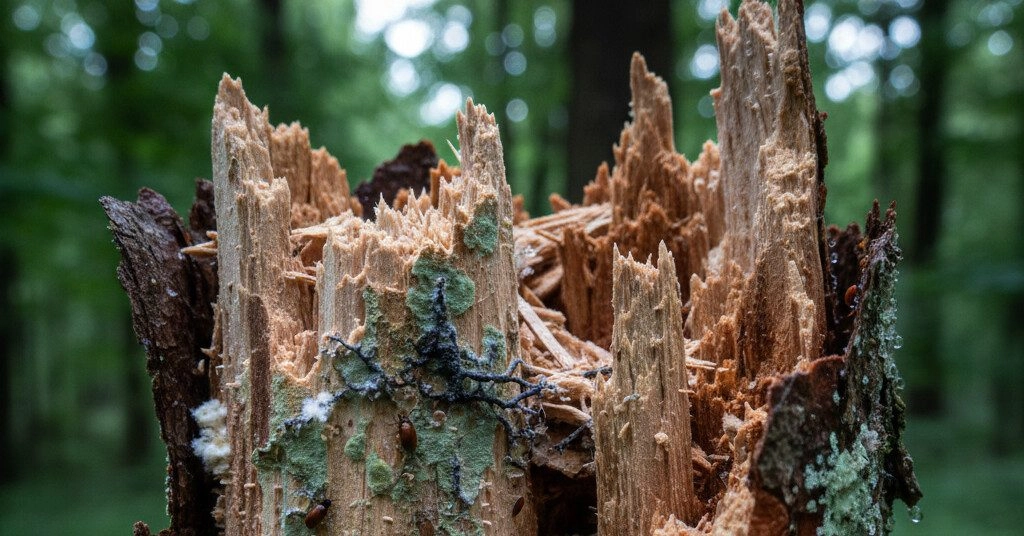
Mature maples, with their often broad canopies and extensive root systems, contribute significantly to Mount Vernon’s urban forest. They filter air, provide shade, and enhance property values. However, their size can also make them a hazard if not properly maintained. Weak limbs, decay, or structural imbalances can turn a beautiful maple into a dangerous liability during a storm.
Mount Vernon’s Climate and Its Impact on Trees
Mount Vernon’s climate plays a crucial role in tree vulnerability. Our region experiences mild, wet winters and periods of strong winds, especially in the fall and early winter. These conditions can saturate the soil, weakening the anchorage of even well-established trees. When strong gusts sweep through, maples are put under immense stress, increasing the risk of branches breaking or entire trees uprooting. Proactive protection aims to mitigate these risks.
Essential Steps/Methods for Protecting Your Maples
Taking preventative action is the most effective way to safeguard your maples. These essential steps focus on improving the tree’s health, structure, and ability to withstand adverse weather.
Regular Structural Pruning
Structural pruning is more than just trimming branches. It involves strategically removing weak, dead, or crossing limbs to improve the tree’s overall architecture. This process reduces wind resistance, eliminates potential failure points, and encourages stronger growth. Proper pruning ensures that the tree’s weight is balanced and its canopy is less dense, allowing wind to pass through rather than creating a sail effect.
Cabling and Bracing for Support
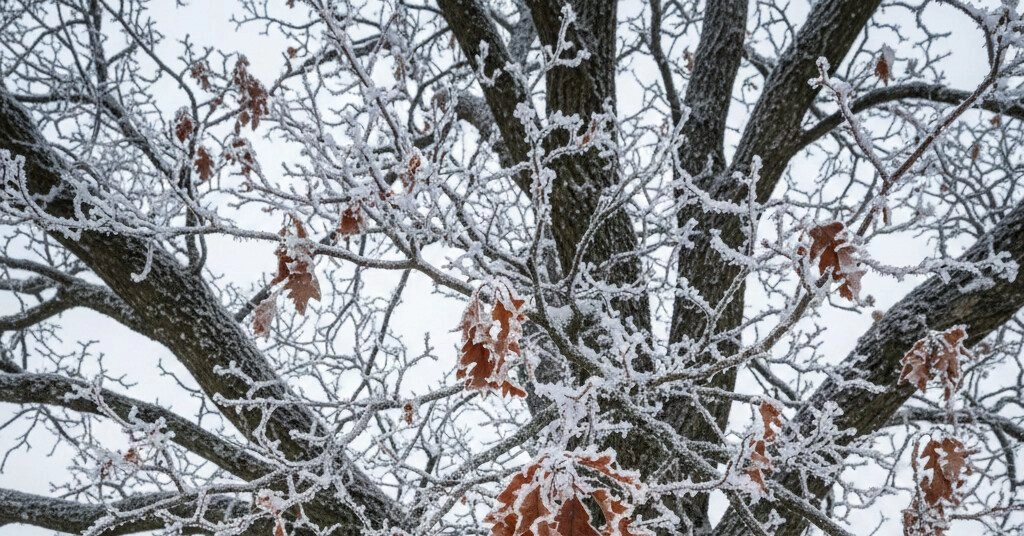
For maples with weak branch attachments, co-dominant stems, or large, spreading limbs, cabling and bracing can provide crucial supplemental support. Cables are installed high in the canopy between branches to limit their movement, while braces use rods to stabilize weak unions. These systems help distribute stress and prevent catastrophic failures during high winds or heavy ice loads.
Maintaining a Healthy Root Zone
The health of a maple’s root system is paramount to its stability. Avoid soil compaction around the base of the tree by limiting foot traffic and heavy equipment. Ensure proper drainage to prevent waterlogging, which can suffocate roots. Applying a layer of organic mulch around the root zone helps retain moisture, regulate soil temperature, and prevent weeds, all contributing to a stronger, healthier root system.
Professional Arborist Inspections
Regular inspections by a certified arborist are invaluable. These professionals can identify subtle signs of decay, disease, or structural issues that might not be obvious to an untrained eye. Early detection allows for timely intervention, such as targeted treatments or minor pruning, before a small problem escalates into a major vulnerability.
Proper Nutrition and Hydration
Ensuring your maples receive adequate water and nutrients is fundamental to their vigor. Deep, infrequent watering is generally better than shallow, frequent watering, as it encourages roots to grow deeper. Soil testing can reveal nutrient deficiencies, allowing for targeted fertilization. A well-nourished tree is better equipped to resist pests, diseases, and the stresses of severe weather.
Common Mistakes Mount Vernon Homeowners Make
Even with the best intentions, homeowners can sometimes make mistakes that inadvertently weaken their maples or increase their susceptibility to storm damage. Being aware of these common pitfalls can help you avoid them.
Improper Pruning Techniques
One of the most damaging practices is ‘topping’ a tree, which involves cutting back large branches to stubs. This creates numerous weak, rapidly growing sprouts that are poorly attached and highly prone to breakage in storms. It also stresses the tree, making it more vulnerable to disease and decay. Likewise, ‘lion-tailing,’ where interior branches are removed leaving only foliage at the ends, shifts weight outwards and makes limbs more likely to snap.
Ignoring Warning Signs of Tree Stress
Many homeowners overlook subtle warning signs that indicate a maple is in distress. These can include cracks in the trunk or major limbs, areas of decay, fungal growth at the base, or a noticeable lean that develops over time. Ignoring these indicators means missing critical opportunities for intervention before a storm exacerbates the problem.
Attempting DIY Solutions for Major Tree Issues
While basic yard work is fine, attempting complex tree care tasks like extensive pruning of large limbs, installing cabling systems, or removing significant portions of a tree without professional expertise can be dangerous and detrimental to the tree’s health. Improper cuts or poorly installed support systems can cause more harm than good and pose significant safety risks.
Neglecting Regular, Preventative Maintenance
Waiting until a storm is forecast or, worse, after damage has occurred, is a common mistake. Proactive, consistent maintenance is key. Regular inspections and preventative pruning spread the work out, keep costs manageable, and ensure your trees are in optimal condition to face the elements year-round, not just when a crisis looms.
Poor Tree Placement
Planting a maple too close to a house, power lines, or other structures can lead to problems as the tree matures. Roots can damage foundations, and branches can interfere with utilities or buildings. This often necessitates aggressive pruning or removal down the line, which could have been avoided with proper planning at the planting stage.
Local Regulations or Climate Factors Affecting Maple Protection in Mount Vernon
Understanding the unique environmental conditions and local rules in Mount Vernon is essential for effective maple protection. These factors directly influence how trees grow and how they should be managed.
Mount Vernon’s Climate: A Key Factor
Mount Vernon’s maritime climate brings mild, wet winters and relatively dry summers. While the maples thrive in our fertile Skagit Valley soil, the heavy rainfall, especially from November through March, can lead to saturated ground. When coupled with the strong winds that often sweep across the region during storm season, this creates a recipe for instability. Trees with compromised root systems or poor structure are particularly vulnerable to uprooting or major limb failure when the soil is waterlogged.
Liability for Tree Damage
In Washington State, liability for fallen trees generally follows an ‘act of God’ rule if a healthy tree falls during an unforeseen event. However, if a tree was neglected, diseased, or known to be hazardous, its owner could be held liable for damage. This underscores the importance of proactive maintenance and regular arborist assessments to demonstrate due diligence in caring for your trees.
Expert Tip: When to Call for Maple Protection
Knowing when to call a professional arborist is crucial for effective maple protection and safety. While minor pruning or general yard work can be a DIY task, anything involving large limbs, elevated work, or a tree’s structural integrity should be left to the experts.
| Situation | Action Recommended |
| Small, accessible dead branches | DIY removal (with proper tools and safety) |
| Large, high, or structurally significant branches | Call Earthworks Tree Service for professional pruning |
| Minor leaf discoloration | Monitor, ensure proper watering |
| Rapidly spreading disease or pest infestation | Consult an arborist for diagnosis and treatment |
| Tree appears healthy, but you want preventative advice | Schedule a risk assessment with Earthworks Tree Service |
| Tree shows signs of instability after heavy rain/wind | Immediately call a professional arborist for emergency assessment |
Frequently Asked Questions
What types of storm damage do maples typically suffer in Mount Vernon?
Mature maples, especially those with broad canopies or existing weaknesses, are prone to limb breakage, trunk splitting, and uprooting during strong winds and heavy rainfall. Waterlogged soil, common in Mount Vernon’s wet season, can weaken root anchorage, making trees more susceptible to falling.
How often should mature maples be pruned for storm protection?
For storm protection, mature maples should ideally be pruned every 3 to 5 years. This schedule allows for the removal of dead, diseased, or weak branches, reduction of canopy density, and improvement of overall tree structure. Young maples may require more frequent structural pruning.
Are there specific maple varieties more resistant to storm damage?
While all trees can sustain storm damage, certain maple varieties like Sugar Maples and Red Maples are generally more resilient due to stronger wood and better growth habits. Silver Maples, however, are known for having weaker wood, making them more susceptible to limb breakage in storms.
What should I do immediately after a storm damages my maple?
Immediately after a storm, assess the damage from a safe distance. Do not approach downed power lines or severely compromised trees. Document the damage with photos for insurance purposes. For significant damage or safety concerns, contact a professional arborist in Mount Vernon right away.
Do Mount Vernon tree removal regulations apply to storm-damaged trees?
Yes, even for storm-damaged trees, Mount Vernon has specific regulations regarding removal. While emergency situations may allow for immediate action, it’s always best to consult the City of Mount Vernon’s planning department. Permitting might still be required, especially for large trees or those on undeveloped property.
How does soil compaction affect a maple’s storm resilience?
Soil compaction severely limits a maple’s ability to absorb water and nutrients, hindering root development. This leads to a weaker root system, making the tree less stable and more vulnerable to uprooting or structural failure during high winds and saturated soil conditions, common in Mount Vernon.
Can cabling and bracing really prevent storm damage?
Yes, cabling and bracing are highly effective preventative measures for maples with structural weaknesses, such as multiple leaders or heavy, extended limbs. These systems provide supplemental support, reducing the risk of branches splitting or breaking during strong winds and heavy ice or snow loads.
Where can I find professional tree services in Mount Vernon?
When you need professional tree services in Mount Vernon, look for certified arborists who understand local tree species and climate challenges. Services like pruning, cabling, risk assessment, and emergency storm cleanup are crucial for maintaining tree health and safety. You can learn more about comprehensive tree care options on our pruning services page.