
March 24, 2026
Key Takeaways
- Trees can become dangerous due to disease, decay, storm damage, root failure, or poor structure
• Leaning trees, dead limbs, trunk cracks, and fungal growth are major warning signs
• Tree removal is often a safety decision, not an aesthetic one
• Early professional evaluation can prevent property damage and injury
• Earthworks Tree Service provides expert local tree assessments and safe removal services
When Does a Tree Need to Be Removed
In accordance with the City of Burlington Tree Removal Policy, property owners must obtain a permit before removing any tree on private property that is 8 inches (20 cm) or greater in diameter. This regulation ensures our urban canopy remains protected while allowing for the removal of high-risk or terminal specimens.
Homeowners often delay tree removal because they hope the tree can recover or because the problem does not look urgent. Unfortunately, many tree failures happen suddenly and without warning. This article explains the most important signs a tree needs removal, how to recognize them early, and when to contact a professional.
This local guide is written to help property owners make informed decisions and protect their homes, families, and landscapes.
Why Tree Removal Is Sometimes Necessary
Tree removal is not about cutting trees unnecessarily. It is about risk management, safety, and long-term property protection. A compromised tree can fail during storms, high winds, or heavy rain. When it does, the damage can be severe.
Common reasons trees require removal include:
- Advanced disease or decay
• Root system failure
• Storm or lightning damage
• Structural defects
• Age-related decline
• Proximity to buildings or utilities
Earthworks Tree Service specializes in identifying whether a tree can be saved or if removal is the safest solution.
1. Leaning Trees That Are Getting Worse
Some trees naturally grow at a slight angle. However, a tree that suddenly starts leaning or whose lean increases over time is a serious concern.
Warning signs of a dangerous lean
- The tree leans toward a home, garage, driveway, or sidewalk
• The lean worsens after storms or heavy rain
• Soil on one side of the trunk is lifting or cracking
• Exposed or broken roots are visible
A leaning tree often indicates root failure. Once roots lose their grip on the soil, the tree can fall with little warning. In many cases, leaning trees require removal rather than bracing.
2. Dead or Dying Trees
A dead tree is always a hazard. As wood dries out, it becomes brittle and unpredictable. Dead trees drop branches easily and can collapse entirely.
How to tell if a tree is dead
- No leaf growth during the growing season
• Brittle branches that snap easily
• Bark peeling off in large sections
• Gray or dry-looking wood under the bark
• Extensive branch dieback at the top of the canopy
Dead trees should be removed as soon as possible, especially if they are near structures or frequently used areas.
3. Large Dead Branches in the Canopy
Even if a tree is alive, large dead branches can be extremely dangerous. These limbs can fall without warning and are often referred to as widowmakers.
Signs of hazardous dead limbs
- Branches with no leaves, while others are healthy
• Cracks where branches meet the trunk
• Hanging or partially broken limbs
• Limbs over roofs, walkways, or driveways
In some cases, selective pruning is enough. In other cases, widespread limb death may indicate deeper issues that require full removal.
4. Fungal Growth at the Base or on the Trunk
Fungi feed on decaying wood. When mushrooms or shelf fungi appear on a tree, they are often a sign of internal rot.
Types of fungal warning signs
- Mushrooms growing around the base
• Bracket or conk fungi on the trunk
• Soft or spongy wood near fungal growth
• Hollow sounds when tapping the trunk
Internal decay weakens a tree from the inside out. By the time fungi appear, structural damage is often advanced.
5. Cracks or Splits in the Trunk
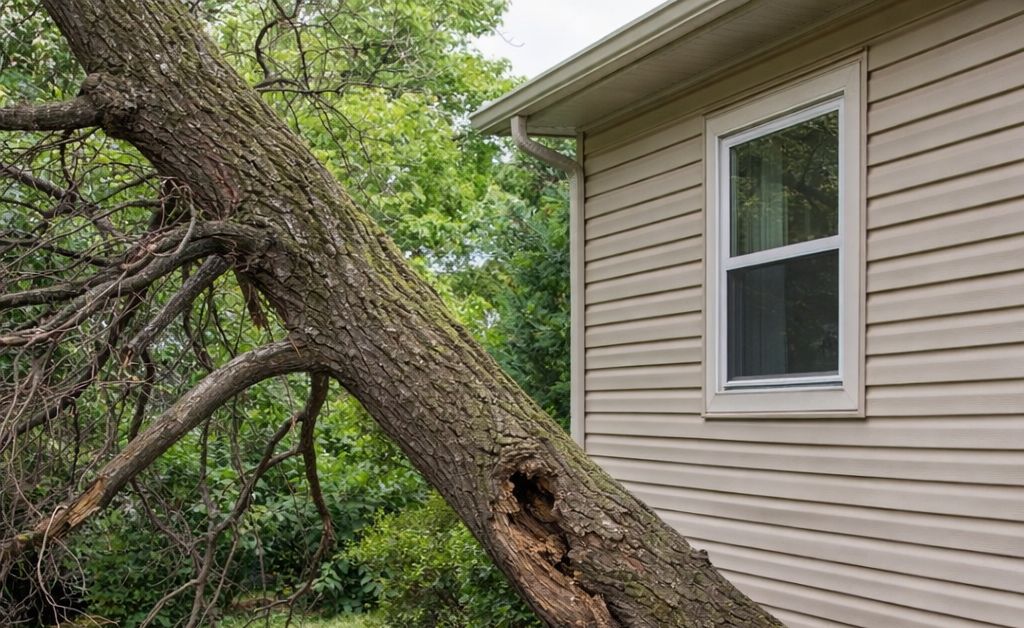
Trunk cracks are one of the most serious warning signs. These cracks can lead to sudden trunk failure.
Dangerous crack indicators
- Deep vertical splits
• Cracks that extend into the wood
• Splits that open wider during storms
• Cracks paired with leaning or decay
Trees with major trunk cracks often cannot be saved safely. Removal is usually recommended, especially near buildings or public areas.
6. Root Damage and Root Failure
Roots anchor the tree and absorb water and nutrients. When roots are damaged, the entire tree becomes unstable.
Causes of root damage
- Construction or trenching near the tree
• Soil compaction from vehicles or equipment
• Grade changes that bury or expose roots
• Long-term flooding or poor drainage
Signs of root problems
- Exposed roots
• Soil lifting around the base
• Sudden leaning
• Decline in canopy health
Root damage is often hidden underground, making professional evaluation critical.
7. Soil Heaving or Ground Movement
When the ground around a tree begins to move, it often signals root plate failure.
What to watch for
- Cracks in the soil radiating from the trunk
• Raised soil on one side of the tree
• Sinkholes near the base
• Loose or unstable ground
These conditions suggest the tree may uproot during high winds or storms.
8. Storm Damage and Weather Stress
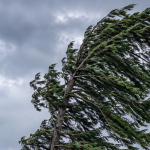
Storms are one of the leading causes of tree failure. High winds, heavy rain, snow, and lightning can severely weaken trees.
Post storm warning signs
- Split limbs
• Torn bark
• Leaning or shifting trunks
• Broken tops
• Exposed roots
Even if a tree remains standing after a storm, internal damage may make it unsafe. A professional inspection is always recommended.
9. Insect Infestations
Certain insects cause extensive damage that trees cannot recover from.
Common infestation indicators
- Small holes in the bark
• Sawdust at the base
• Bark falling off
• Increased woodpecker activity
• Thinning canopy
The Washington State Department of Natural Resources (DNR) monitors several critical threats in Skagit County. Weakened trees are primary targets for secondary invaders like bark beetles and the Mediterranean Oak Borer, which was recently added to the statewide monitoring priority list for 2026.
10. Tree Disease That Cannot Be Treated
Some tree diseases are manageable if caught early. Others progress too far and require removal to prevent spread or failure.
Disease warning signs
- Discolored or spotted leaves
• Premature leaf drop
• Cankers or sunken bark
• Oozing sap
• Progressive branch dieback
A professional assessment determines whether treatment is possible or removal is the safest option.
11. Trees Growing Too Close to Structures
Trees planted too close to homes or utilities can cause long-term damage.
Common risks
- Roots cracking foundations or sidewalks
• Branches damaging roofs and gutters
• Interference with power lines
• Limited space for root expansion
In many cases, removal is the most cost-effective solution before structural damage occurs.
12. Poor Tree Structure
Some trees develop structural weaknesses as they grow.
Structural defects include
- Multiple trunks from one base
• Narrow branch angles
• Heavy limbs on one side
• Included bark at branch unions
These defects increase the likelihood of failure, especially during storms.
13. Advanced Age and Decline
Trees do not live forever. As trees age, their ability to respond to stress decreases.
Signs of age-related decline
- Hollow trunk sections
• Extensive deadwood
• Minimal new growth
• Repeated limb failure
Old trees can be beautiful but may become unsafe over time.
14. Root Rot and Drainage Issues
Poor drainage in Skagit County’s clay-heavy soils often leads to Armillaria and Phytophthora root rot. According to WSU Extension, these fungal pathogens can destroy a tree’s root plate, making removal the only safe option once canopy thinning and basal decay become visible.
15. Construction Impact on Trees
Nearby construction can severely damage trees even if they appear unharmed initially.
CConstruction-relatedrisks
- Severed roots
• Soil compaction
• Grade changes
• Damage to root flare
Trees impacted by construction often decline months or years later.
How Earthworks Tree Service Evaluates Tree Safety
Earthworks Tree Service uses a comprehensive evaluation process.
Professional evaluation includes
- Visual canopy inspection
• Trunk and bark assessment
• Root zone evaluation
• Structural analysis
• Site risk assessment
Every recommendation prioritizes safety and long-term property health.
When Tree Removal Is the Best Option
Tree removal is recommended when:
- The tree poses an immediate danger
• Structural integrity is compromised
• Disease or decay is advanced
• Roots have failed
• Storm damage is severe
Delaying removal increases risk and cost.
Tree Removal Safety and Process
Professional tree removal involves controlled techniques and safety measures.
Safety steps include
- Securing the work zone
• Sectional dismantling when needed
• Specialized rigging
• Proper equipment use
• Complete debris removal
DIY tree removal is extremely dangerous and should be avoided.
What Affects the Cost of Tree Removal
Tree removal costs depend on:
- Tree size and height
• Location and accessibility
• Condition of the tree
• Proximity to structures
• Required equipment
Earthworks Tree Service provides clear and honest estimates.
Benefits of Professional Tree Removal
- Reduced risk of injury or damage
• Proper assessment and execution
• Insurance and liability protection
• Clean and efficient removal
• Peace of mind
Frequently Asked Questions
How do I know if a tree needs removal or trimming?
The only reliable way is a professional inspection. Some trees can be saved with proper pruning. Others are unsafe and need full removal.
Can a leaning tree be saved?
In rare cases, young trees can be corrected. Mature trees that are leaning usually indicate root failure and often need removal.
Is tree removal covered by insurance?
Insurance may cover removal if the tree damages insured property. Coverage varies, so review your policy or speak with your provider.
How long does tree removal take?
Small trees can often be removed in under an hour. Large or hazardous trees may take several hours depending on size, location, and complexity.
Do you remove stumps?
Yes. Stump grinding and full stump removal services are available.
Final Thoughts on Tree Removal Safety
Because many structural defects are hidden, we recommend verifying your contractor’s credentials through the ISA Find an Arborist portal. A certified professional provides a science-based risk assessment that distinguishes between a tree that needs a simple trim and one that requires urgent removal. Leaning trees, dead branches, fungal growth, root damage, and storm impact should never be ignored.
If you suspect a tree may be unsafe, contact Earthworks Tree Service through https://earthworkstreeservice.com/ for a professional evaluation. Acting early can prevent costly damage and ensure your landscape remains safe and healthy.