
December 15, 2025
Whatcom County’s lush greenery is one of its greatest charms, but maintaining those healthy, beautiful trees takes more than just appreciation. Between heavy rainfall, salty coastal air, and unpredictable windstorms, trees here grow fast and face unique environmental stresses. Trimming too often can stunt their natural shape, but neglecting them for too long risks disease, storm damage, or hazardous overgrowth. So, how often should you really trim your trees in Whatcom County’s climate?
How Local Weather Patterns Affect Tree Growth
Whatcom County’s maritime climate offers mild temperatures and abundant moisture. Annual rainfall averages over 35 inches, promoting vigorous growth and dense canopies. While this is ideal for natural forests, it presents challenges for residential and urban trees that need structure, airflow, and balance.
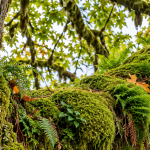
Wet Winters and Moss Build-Up
Winter moisture fosters moss, lichen, and fungal growth on branches. These add extra weight and reduce sunlight penetration. Periodic thinning helps prevent breakage and promotes air circulation.
Pacific Winds and Structural Weakness
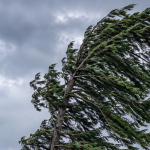
Strong windstorms can arrive from the coast without warning. Unbalanced or overextended branches are at higher risk of tearing away, particularly in maples and alders. Trees trimmed for symmetry withstand these gusts better.
Dry Summers and Stress Recovery
Summers are comparatively dry. Trimming during this period must be light to prevent stress and dehydration. Proper watering after summer pruning helps trees recover quickly.
Tree Species and Their Ideal Trimming Intervals
Every tree species grows differently. Understanding local species helps homeowners set the right trimming schedule.
Evergreen Varieties Common in Whatcom County
- Douglas Fir, Western Red Cedar, Hemlock: Trim every 3 to 5 years. These slow-growing conifers rarely need heavy cuts but benefit from the removal of deadwood and interior congestion. Late spring is best for trimming to avoid winter sap bleeding.
Deciduous Shade Trees
- Maple, Alder, Birch, Ash: Trim every 2 to 4 years. With ample rain and long growing seasons, deciduous trees expand rapidly. Early spring trimming before bud break helps shape their canopy and prevents crossing limbs.
Fruit-Bearing Trees
- Apple, Cherry, Pear, Plum: Trim annually in late winter. Regular pruning encourages fruit production and removes diseased wood. For backyard orchards in Lynden or Bellingham, yearly care keeps fruit accessible and yields strong.
Ornamental and Landscape Trees
- Dogwood, Magnolia, Japanese Maple: Trim every 2 to 3 years. These aesthetic trees require delicate pruning to maintain shape and prevent crowding. Avoid fall trimming when damp conditions invite fungus.
-
Street and Power Line Trees: Inspect yearly. Branches near roads or utility lines in urban areas such as Ferndale or Blaine must be monitored closely. Trimming for clearance prevents outages and maintains safety.
The Best Times of Year to Trim Trees in Whatcom County
The best time to trim trees in Whatcom County is late winter through early spring. During this period, trees are dormant, sap flow is low, and pruning wounds heal more efficiently once growth resumes. This timing also reduces stress on the tree, limits disease spread, and makes it easier to see the tree’s structure before leaves return. That said, safe and effective trimming can still be done year-round when it’s adjusted to the season and the tree’s condition.
- Winter (Dormant Pruning Season): Best time for structural pruning and major cuts. Trees are dormant, stress is minimal, and future growth can be guided effectively.
- Spring (Growth and Inspection): Ideal for light shaping, removing winter damage, and correcting small issues as new growth begins.
- Summer (Light Maintenance): Suitable for clearance trimming and minor pruning. Avoid heavy cuts to prevent heat and water stress.
- Fall (Storm Preparation): Focus on removing dead or hazardous limbs before wind season. Avoid major pruning since healing slows as temperatures drop.
Visible Clues That It’s Time to Trim
Even outside the seasonal schedule, trees often signal when they need attention:
- Branches brushing against your roof or siding
- Cracked or crossing limbs
- Large dead sections after wind events
- Reduced airflow through a thick canopy
- Fungus growth near branch joints
- Obstructed driveways or walkways
Addressing these early prevents safety hazards and preserves tree health.
Why Routine Tree Trimming Is Essential in This Region
- Minimizing Storm Damage: Regular trimming reduces the wind resistance of large canopies, allowing trees to flex rather than snap during gusts.
- Preventing Fungal and Pest Issues: Dense, untrimmed branches trap moisture and attract wood-boring insects. Thinning improves light penetration and air circulation.
- Protecting Property and Utilities: Branches can damage power lines, fences, or gutters. Periodic clearance trimming prevents costly repairs.
- Promoting Longevity and Strength: Strategic cuts redirect energy toward healthy branches, fostering stability and balanced growth.
- Enhancing Local Landscapes: Neat, proportionate trees add value and maintain the natural character of Whatcom County neighborhoods.
DIY Trimming vs. Professional Care
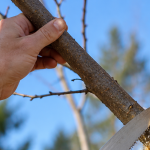
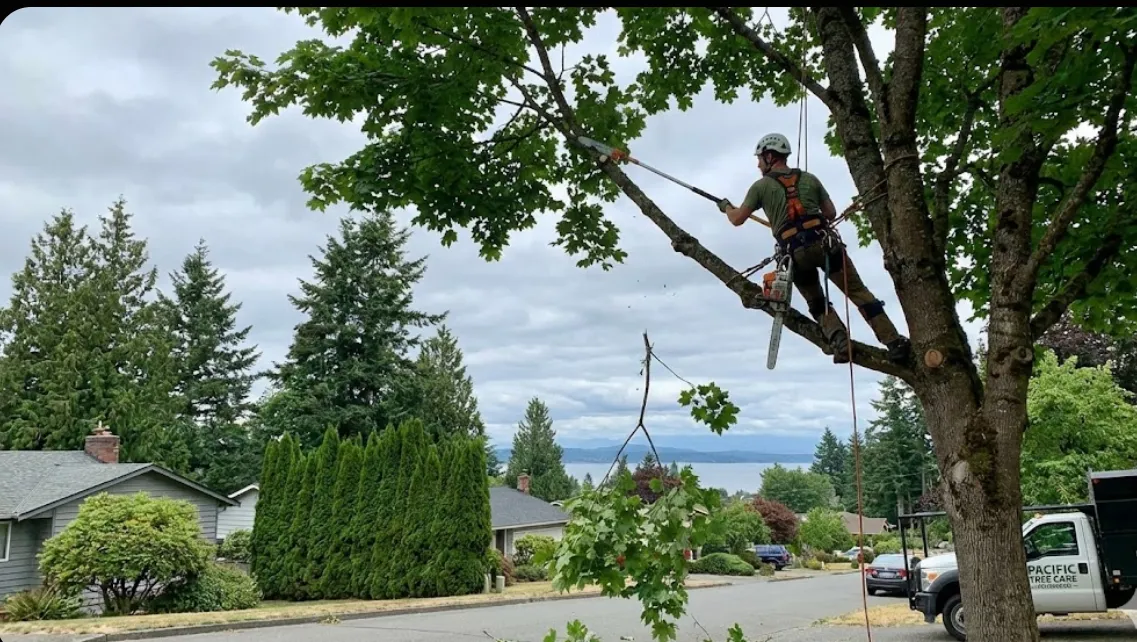
Basic pruning of small branches is safe for homeowners using clean tools and proper technique. However, larger or high-canopy work should be done by trained arborists familiar with local species and safety protocols.
When to Seek Professional Help
- Trees taller than a single-story home
- Branches near power lines
- Structural defects or decay inside the trunk
- Heavy storm debris or broken limbs
Professionals can assess tree health, use specialized equipment, and ensure safe waste removal.
Balancing Aesthetics and Ecology
Tree trimming in Whatcom County isn’t just about looks; it also supports biodiversity. Pruning helps sunlight reach understory plants, encourages bird nesting, and allows native shrubs to thrive beneath open canopies. Sustainable trimming methods, such as selective thinning and crown reduction, protect both the environment and the tree’s natural architecture.
Local Guidelines and Environmental Considerations
Many Whatcom County municipalities have regulations regarding protected species and public tree maintenance. Always verify before major pruning, especially for street or heritage trees. Avoid topping a harmful practice that weakens structure and invites decay. Proper crown reduction maintains balance without compromising health.
Ideal Maintenance Routine for Homeowners
- Inspect trees twice yearly after winter storms and mid-summer.
- Schedule professional trimming every 2–4 years, depending on species.
- Water deeply after pruning during dry months.
- Mulch around roots to retain soil moisture and reduce weeds.
- Watch for fungi, oozing sap, or insect bore holes.
Consistent observation and timely care keep trees resilient through Whatcom County’s changing weather patterns.
Sustainable Disposal of Trimmings and Debris
After trimming, leftover branches and leaves should be handled responsibly. Composting smaller branches can return nutrients to the soil, while larger limbs may be chipped into mulch. In rural Whatcom County, natural brush piles can support small wildlife. Always dispose of diseased wood separately to prevent spreading pathogens.
Frequently Asked Questions
How often should I trim newly planted trees in Whatcom County?
Newly planted trees generally need minimal trimming for the first two to three years while establishing roots. Only remove dead or damaged branches during this period, and monitor for structural issues such as double leaders or crossing limbs. Light corrective pruning helps guide shape without stressing the young tree. As the root system strengthens, more defined canopy shaping can begin in the third or fourth year.
Can I trim trees during the rainy season?
Light trimming is acceptable during rainy months, but avoid major cuts to reduce the risk of fungal infection. Winter, when trees are dormant, remains the safest time for heavier pruning. However, if branches are damaged by wind or pose a safety concern, removal can be done in wet months with clean, sanitized tools. Allow cut areas to dry and avoid compacting soggy soil around roots.
How do I know if my tree is over-trimmed?
Over-trimming appears as excessive leaf loss, sunburned bark, or reduced new growth. You may also notice slower recovery in spring or sparse foliage compared to neighboring trees. Trees that lose more than one-third of their canopy at once are at risk of shock. Allow a full growing season before reshaping the canopy again, and support recovery with consistent watering and mulch.
Is it safe to trim trees near power lines?
No. Only qualified line-clearance professionals should handle pruning near electrical wires. Contact your local utility or a certified arborist for safety. Attempting to prune around live wires without training can result in severe injury or service disruption. Even seemingly low-voltage lines can arc and cause damage from several feet away.
What tools should homeowners use for small pruning tasks?
Use clean, sharp hand pruners or loppers for branches under two inches thick. Disinfect tools between cuts, especially when working on diseased limbs. A folding pruning saw can help with slightly thicker branches. Always make clean cuts just outside the branch collar, and avoid tearing bark. Keep blades sharp to prevent crushing tissue and slowing healing.
Will trimming affect bird nests or wildlife?
Schedule major trimming outside the nesting season, typically between late fall and early spring, to minimize disruption to local wildlife. Inspect branches before cutting to ensure no active nests or dens are present. In wooded areas, selective pruning can actually benefit wildlife by improving light access for native undergrowth and creating safe perching zones for birds.
Keeping Whatcom County Trees Healthy Year After Year
In Whatcom County’s coastal climate, trees thrive under steady rainfall and mild temperatures, but they require periodic care to remain safe and strong. Most trees benefit from professional trimming every two to four years, adjusted for species, age, and exposure. Regular attention improves safety, supports growth, and maintains the natural beauty that defines this region.
Whether you live in Bellingham, Ferndale, or the foothills near Mount Vernon, mindful tree maintenance ensures your landscape remains healthy and storm-ready year-round. Earthworks Tree Service provides expert pruning, shaping, and seasonal care for local properties, ensuring each tree receives tailored attention to thrive in Whatcom County’s climate.