
March 19, 2026
Preventive care is the most effective way to protect mature maple trees in Skagit County from storm damage, disease, and premature decline. Mature maple trees add immense beauty and value to any Skagit County property, but their grandeur comes with a responsibility: proper care. Neglected maples can become safety hazards, succumb to disease, and lose their aesthetic appeal, often leading to costly emergency interventions. Understanding the unique needs of these magnificent trees, especially in our specific Pacific Northwest climate, is key to their long-term health and your peace of mind.
Key Takeaways
- Skagit County’s wet, windy climate significantly impacts maple tree health, requiring specialized care to prevent storm damage and fungal diseases.
- Regular, proper pruning is essential for mature maples to maintain structural integrity, improve airflow, and remove diseased branches.
- Maples in our region are particularly susceptible to Verticillium Wilt and Anthracnose. According to WSU Extension, these fungal pathogens thrive in Skagit County’s cool, wet springs, often requiring laboratory soil testing to differentiate between nutrient deficiencies and active vascular infections.
- Proactive preventive care, including professional assessments, is often significantly more cost-effective than reactive emergency tree removal or disease treatment.
- Understanding local Skagit County regulations for tree removal and critical area protections is vital before undertaking any major tree work.
- Working with an ISA-Certified Arborist ensures that your maple receives a ‘Level 2’ Basic Assessment. This professional evaluation identifies internal decay or root-zone compaction that is often invisible to the untrained eye but critical for storm-readiness.
What is Preventive Tree Care for Maples?
Preventive tree care for maples means taking proactive steps to ensure your trees remain healthy, strong, and safe over their long lifespan. It’s about anticipating potential problems and addressing them before they become serious or expensive.
- Regular Health Checks: Inspecting leaves, bark, and branches for early signs of stress, pests, or disease.
- Targeted Pruning: Removing dead, diseased, or weak branches to improve tree structure and reduce risks.
- Proper Watering & Nutrition: Ensuring trees receive adequate moisture and nutrients, especially during dry spells or growth spurts.
- Soil Management: Maintaining optimal soil conditions to support robust root systems.
- Pest & Disease Management: Implementing strategies to prevent and treat infestations or infections promptly.
- Professional Assessments: Periodic evaluations by certified arborists to catch subtle issues and plan long-term care.
Why Mature Maples Need Special Attention in Skagit County
Mature maples in Skagit County face unique challenges due to our distinct Pacific Northwest environment, making specialized care not just beneficial, but necessary.
Skagit County’s Climate and Its Impact on Maples
Skagit County’s climate, characterized by abundant moisture and seasonal strong winds, directly influences maple tree growth and vulnerability. Our wet springs and mild, often dry, summers create specific conditions that can stress maples.
- High Moisture: Prolonged wet periods can lead to saturated soils, increasing the risk of root rot and fungal diseases.
- Seasonal Winds & Storms: Strong winds can cause limb breakage, structural damage, and uprooting, especially in rapidly growing or structurally weak maples.
- Rapid Canopy Growth: The favorable growing conditions here often lead to dense canopies, which can become too heavy, reduce light penetration, and increase wind resistance.
- Soil Acidity: Maples generally prefer slightly acidic soils, which are common in our region, but pH fluctuations can impact nutrient uptake.
Common Maple Diseases and Pests in the Pacific Northwest
Several diseases and pests are particularly prevalent among maples in the Pacific Northwest, requiring vigilant monitoring and timely intervention to prevent widespread damage.
- Anthracnose: A fungal infection causing irregular brown or purplish-brown spots on leaves, often leading to premature leaf drop and twig dieback, especially active during wet springs.
- Verticillium Wilt (Maple Wilt): A serious, often fatal, fungal disease that enters through roots, causing wilting, scorching, and dieback of branches. Look for olive-colored streaks in the sapwood.
- The Washington Department of Natural Resources (DNR) has issued alerts for Sooty Bark Disease (Cryptostroma corticale) in the Puget Sound basin. This fungus becomes highly aggressive during hot, dry summers and can pose a respiratory health risk to humans if fungal spores are inhaled during improper tree removal.
- Tar Spot: A common, largely cosmetic fungal disease forming large black spots on leaves, often causing premature leaf drop. While not usually fatal, it indicates a need for cleanup.
- Powdery Mildew: A fungal infection that creates a powdery white coating on leaves, dulling their appearance.
- Root Rot: Often caused by fungi in overly wet soils, leading to bark decay, cankers, and eventual tree death.
- Aphids & Cankerworms: Common insect pests that can cause defoliation and sticky honeydew, though rarely fatal to mature maples.
Essential Preventive Care Strategies for Skagit County Maples
Effective preventive care for your Skagit County maples involves a combination of consistent practices, tailored to the tree’s age, species, and local conditions.
Pruning for Health and Structure
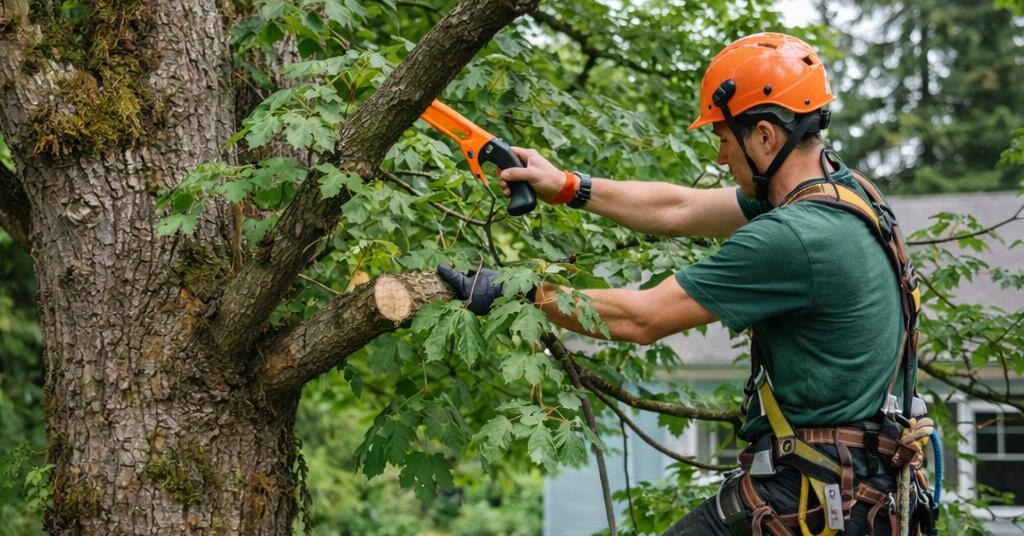
To ensure long-term health, all structural pruning should follow the ANSI A300 standards. These industry benchmarks prohibit ‘topping’ and ensure that cuts are made to promote rapid wound closure, preventing the entry of decay-causing organisms like Ganoderma.
- Timing is Key: Perform major structural pruning in late winter or early spring when maples are dormant. This minimizes sap bleeding and stress.
- Remove Dead or Diseased Wood: Regularly cut out dead, dying, or diseased branches to prevent decay from spreading and improve overall tree vigor.
- Improve Airflow and Light: Thinning the canopy selectively enhances air circulation, reducing fungal disease risk, and allows more sunlight to reach inner branches.
- Address Crossing Branches: Remove branches that rub against each other, as this creates wounds susceptible to pests and disease.
- Elevate Lower Limbs: Gradually raise the canopy over time to provide clearance for structures, pathways, and vehicles, reducing potential hazards.
- Professional Expertise: For mature maples, especially those near structures or power lines, professional pruning by ISA-Certified arborists from Earthworks Tree Service is essential for safety and optimal results.
Watering and Soil Management
Adequate watering and maintaining healthy soil are fundamental for a maple tree’s vitality, especially during dry periods in Skagit County.
- Consistent Moisture: Maples prefer consistently moist, well-drained soil. Water deeply, about once a week during dry spells, rather than frequent shallow watering.
- Avoid Overwatering: Saturated soils can lead to root rot. Ensure good drainage and avoid planting in perpetually soggy areas.
- Mulch Benefits: Apply a 2-4 inch layer of organic mulch (like wood chips) around the tree’s base, keeping it a few inches from the trunk. Mulch helps retain soil moisture, regulate temperature, and suppress weeds.
- Soil pH: Maples thrive in slightly acidic to neutral soils (pH 5.5-7.0). A soil test can determine if amendments are needed to adjust pH and nutrient levels.
Nutrition and Fertilization
Providing the right nutrients ensures your maple has the energy to grow strong and resist stressors. Established maples often get enough nutrients from healthy soil, but sometimes a boost helps.
- Soil Testing: Before fertilizing, conduct a soil test to identify any specific nutrient deficiencies. Over-fertilization can be harmful.
- Balanced Fertilizers: If needed, use a slow-release, balanced fertilizer formulated for trees, typically applied in late fall or early spring.
- Organic Matter: Incorporate compost or other organic matter into the soil annually. This naturally improves soil structure, fertility, and microbial activity.
Pest and Disease Monitoring & Early Intervention
Regularly checking your maple trees for signs of trouble allows for prompt action, often saving the tree from irreversible damage.
- Weekly Inspections: Make it a habit to walk around your maple trees weekly, looking closely at leaves, branches, and the trunk.
- Look for Discoloration: Yellowing, browning, black spots, or powdery white coatings on leaves are immediate red flags.
- Check for Cankers: Sunken or discolored areas on bark can indicate fungal infections.
- Insect Activity: Look for chewed leaves, sticky residue (honeydew), or visible insect pests on foliage and stems.
- Fungus & Mushrooms: The presence of fungal growth on the trunk or around the base can signal root issues or decay.
- Sanitation: Rake and dispose of fallen leaves, especially if they show signs of disease, to reduce overwintering pathogens.
The Cost of Neglect vs. Preventive Care: A Skagit County Perspective
Many homeowners wonder if preventive care is truly worth the investment. The reality is, delaying maintenance can lead to significantly higher costs and greater risks down the road.
| Aspect | Preventive Care (Typical Costs) | Neglected Tree (Potential Costs) |
| Routine Pruning | Planned, predictable investment that maintains tree health and structure. | Unplanned emergency service with higher costs for damage control or removal. |
| Disease / Pest Monitoring | Regular health inspections allow early treatment and prevention. | Advanced disease treatment may fail, often leading to expensive removal. |
| Tree Health Assessment | Early identification of risks ensures long-term tree stability and safety. | Potential property damage, injury risk, and costly insurance claims. |
| Overall Safety | Lower risk of falling limbs, structural damage, or injury. | Higher risk of accidents, home damage, and power outages. |
| Tree Longevity | Healthy maintenance helps trees live for decades or even centuries. | Shortened lifespan that often ends with full tree removal. |
Navigating Skagit County Tree Regulations
Before undertaking any significant tree work, especially removal, it’s crucial to understand Skagit County’s local regulations. These rules are designed to protect critical areas and manage land use.
- Permit Requirements: General tree trimming usually doesn’t need a permit. However, significant tree removal, particularly for ‘merchantable timber’ (trees 6 inches or more in diameter at breast height), often does.
- Skagit County Planning & Development Services: This department handles various permits, including those for land disturbance and hazard tree removal. Always consult them first.
- Critical Areas: Clearing property near wetlands, streams, areas with high erosion risk (slopes exceeding 30%), or special flood hazard areas is highly regulated and can result in penalties if done improperly.
- Forest Practice Activities: If you’re harvesting more than 5,000 board feet or clearing over 2 acres, you’ll likely need a ‘forest practice activity’ permit. Converting forest land to another use after harvesting may require a Class IV General forest practice conversion permit.
- Development Moratorium: Be aware that certain forest practice permits or timber harvests can trigger a six-year moratorium on development for that land.
- City-Specific Rules: Cities within Skagit County, like Anacortes, may have their own additional tree preservation plans and affidavit requirements. Always check local city codes as well.
Frequently Asked Questions
When is the best time to prune mature maple trees?
The best time for major pruning of maple trees is in late winter to early spring when they are dormant, minimizing sap bleed. Minor pruning for dead or diseased branches can be done in late spring or summer, but avoid heavy pruning during active growth periods.
How can I identify common maple tree diseases like Anthracnose or Verticillium Wilt?
Signs of disease include unusual leaf spots (brown, black, or powdery white), wilting, branch dieback, cankers on bark, and discolored sapwood. Regular visual inspections are crucial, and if you suspect an issue, contact an ISA-Certified arborist promptly.
Can I perform preventive maple tree care myself, or do I need a professional?
While minor tasks like raking leaves or basic watering can be DIY, professional arborists are essential for tasks like structural pruning, disease diagnosis, pest treatment, and large tree removal. Their expertise ensures safety and proper tree health outcomes.
Are there specific local regulations for tree removal in Skagit County?
Yes, Skagit County has regulations regarding tree removal, especially in critical areas or for significant timber harvesting. Always check with Skagit County Planning and Development Services for permit requirements before undertaking major tree work to avoid penalties.
Protect Your Maple Trees with Proactive Care in Skagit County
Maintaining the health and longevity of your mature maple trees in Skagit County requires a proactive approach, tailored to our unique local conditions. By understanding the specific needs of maples and the challenges posed by our Pacific Northwest climate, you can prevent costly issues and ensure your trees remain a beautiful, safe asset to your property. Don’t wait for problems to escalate; consider regular professional assessments. For expert advice and comprehensive tree care services, feel free to contact Earthworks Tree Service to schedule a consultation.