
April 15, 2026
Key Takeaways
- Earthworks Tree Service helps La Conner homeowners navigate unique tree care challenges like saturated soils and increased windthrow risks.
- Trees in La Conner’s low-lying areas are especially vulnerable to root rot, disease, and instability due to persistent moisture.
- Local regulations in La Conner and Skagit County require permits for significant tree work, which homeowners must understand.
- Proactive measures, including proper tree selection, drainage management, and regular arborist assessments, are crucial for tree health.
- Ignoring early signs of tree stress or attempting complex tree care without professional help can lead to costly and dangerous outcomes.
Living in La Conner, Washington, offers unparalleled beauty, from the charming waterfront to the picturesque Rainbow Bridge. However, this unique setting, especially in its low-lying areas, comes with specific challenges for tree health. The consistent rainfall and the region’s geography create conditions that can significantly impact the trees on your property. Understanding these challenges is the first step toward keeping your landscape vibrant and safe.
What Are Tree Care Challenges Unique to La Conner’s Low-Lying Areas and Why Do They Important in La Conner?
Tree care in La Conner’s low-lying areas is not just about aesthetics; it is about safety and long-term property value. The specific environmental conditions here create a distinct set of problems that require specialized attention. Understanding these issues is vital for every La Conner property owner who wants to maintain a healthy and resilient landscape.
Saturated Soils and Root Rot
One of the most significant challenges comes from prolonged soil saturation. La Conner receives an average of 32 inches of rain annually, often distributed throughout the year, with November being particularly wet. In low-lying areas, this means soils can stay waterlogged for extended periods. When tree roots are constantly submerged, they are deprived of oxygen, which is essential for their survival. This stress can lead to root rot, a fungal disease that degrades the root system, weakening the tree from the ground up.
Increased Risk of Windthrow
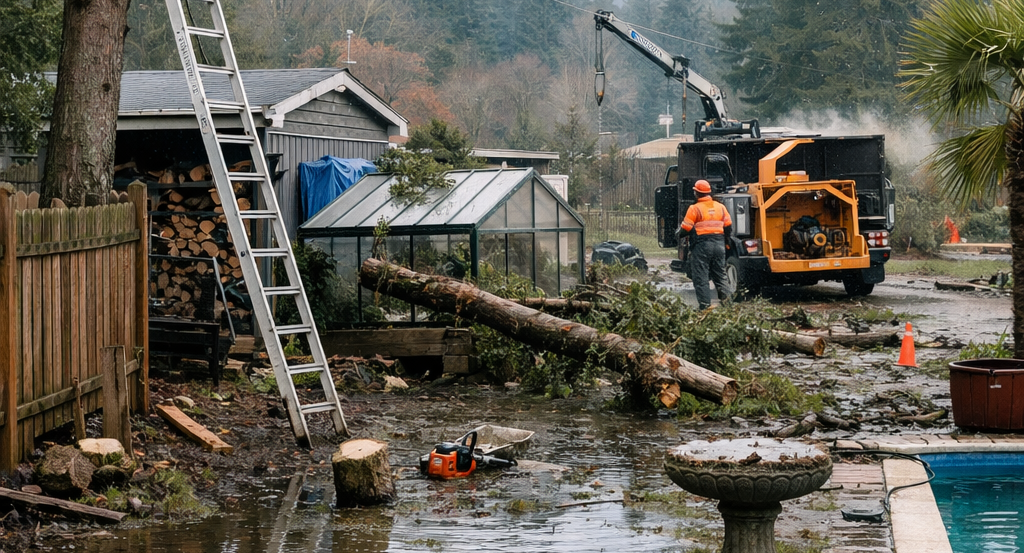
Trees with compromised root systems due to saturated soil are far more susceptible to windthrow. La Conner experiences periods of strong winds, especially during winter storms. When roots cannot anchor the tree firmly in the ground because the soil is soft and lacking oxygen, even moderate winds can cause large trees to fall. This poses a significant risk to homes, utility lines, and people, making prevention a critical concern for La Conner residents.
Disease and Pest Vulnerability
A tree stressed by excessive moisture is like a person with a weakened immune system. It becomes more vulnerable to various diseases and insect infestations. Pests and pathogens often target trees that are already struggling, turning a minor issue into a severe health crisis. Regular monitoring and proactive treatment are essential to protect these vulnerable trees in La Conner.
Flooding Damage and Soil Alteration
Beyond persistent saturation, direct flooding can inflict immediate damage on trees. Floodwaters can strip bark, introduce harmful pathogens, and alter the soil’s composition by washing away vital nutrients or depositing unwanted sediments. This direct exposure can severely impact a tree’s health and ability to recover, necessitating careful assessment after any flood event in La Conner.
Utility Line Hazards
The combination of saturated soil and high winds drastically increases the likelihood of trees falling onto power lines. This is a common cause of power outages in the La Conner area, as reported by Puget Sound Energy. Maintaining proper electrical line clearance is not just a safety measure but also a community responsibility to prevent widespread disruptions. Professional arborists can assess these risks and perform necessary clearances.
Erosion Concerns
Weakened or unstable root systems in wet conditions can also contribute to soil erosion. This is particularly concerning in low-lying areas where soil stability is already a concern. Erosion not only harms the immediate landscape around the tree but can also impact nearby structures and water quality, further degrading the overall environment of your La Conner property.
Essential Strategies for Tree Health in La Conner’s Wet Conditions
Addressing these unique challenges requires a thoughtful and proactive approach. By implementing smart strategies, La Conner property owners can significantly improve the health and longevity of their trees, even in the most challenging low-lying conditions. It is all about understanding the environment and working with it, not against it.
Selecting Flood-Tolerant Tree Species
Choosing the right tree species is perhaps the most crucial step for properties in La Conner’s low-lying areas. Some trees naturally tolerate wet feet better than others. Researching and selecting native or adapted species known for their flood and moisture tolerance will give your trees the best chance to thrive.
- Bald Cypress: Known for its ability to grow in standing water and its unique ‘knees’.
- Red Maple: A versatile tree that tolerates a range of soil conditions, including wet ones.
- Willow Oak: A large shade tree that adapts well to moist soils and urban environments.
- River Birch: Features attractive peeling bark and thrives in wet areas, often found along waterways.
Enhancing Soil Drainage
Improving drainage around your trees can prevent prolonged soil saturation. This might involve creating swales, installing French drains, or even building raised planting beds for new trees. The goal is to ensure that water does not sit around the tree’s root collar for extended periods, allowing roots access to vital oxygen.
- French Drains: Install perforated pipes wrapped in fabric and gravel to divert excess water away from root zones.
- Raised Beds: For new plantings, consider building elevated garden beds to improve drainage and prevent root saturation.
- Soil Amendments: Incorporate organic matter like compost to improve soil structure and aeration, enhancing natural drainage.
Routine Tree Health Assessments
Regular tree health assessments by an ISA-certified arborist are invaluable. An expert can identify early signs of stress, disease, or pest infestations before they become severe. They can also assess structural integrity, especially crucial for trees in wind-prone, saturated areas of La Conner.
- Early Disease Detection: Identify fungal infections or pest infestations when they are most treatable.
- Structural Integrity Checks: Assess for weak limbs, cracks, or signs of root decay that could lead to windthrow.
- Soil Analysis: Understand nutrient deficiencies or pH imbalances that contribute to tree stress.
Strategic Pruning for Wind Resistance
Strategic pruning can make trees more resilient to La Conner’s strong winds. Removing dead, diseased, or crossing branches reduces the tree’s overall sail area and improves its structural integrity. This allows wind to pass through the canopy more easily, decreasing the likelihood of breakage or uprooting.
- Thinning the Crown: Selectively remove inner branches to allow wind to pass through the canopy, reducing resistance.
- Removing Deadwood: Eliminate weak or dead branches that are prone to breaking off in high winds.
- Structural Pruning: Guide the tree’s growth to develop a strong central leader and well-spaced, sturdy branches.
Maintaining Optimal Soil Health
Healthy soil is the foundation of healthy trees. In low-lying areas, soil can become compacted or lose essential nutrients. Regular soil testing and appropriate amendments, such as adding organic compost, can improve soil structure, aeration, and nutrient availability, directly benefiting root health and overall tree vigor.
Common Tree Care Mistakes La Conner Homeowners Make in Low-Lying Areas
Even with good intentions, La Conner homeowners can sometimes make mistakes that inadvertently harm their trees, especially in the unique conditions of low-lying areas. Knowing what to avoid is just as important as knowing what to do.
Ignoring Early Warning Signs of Tree Stress
One of the biggest errors is not recognizing the subtle signs of tree stress until it is too late. In wet conditions, symptoms like yellowing leaves, slowed growth, or branch dieback might be dismissed as normal seasonal changes. However, these can be early indicators of root rot or other serious issues that require immediate attention.
Improper Watering Practices
While it might seem counterintuitive in a wet environment, improper watering can still be a problem. Overwatering, especially for new plantings or trees not naturally adapted to constant moisture, can exacerbate soil saturation issues. Conversely, during drier spells, under-watering can also stress trees, making them vulnerable to other problems. It is about understanding the specific needs of each tree and the prevailing weather conditions in La Conner.
Choosing the Wrong Tree Species
Planting tree species that are not well-suited for wet, low-lying soils is a common mistake. A beautiful tree from a nursery might not thrive if its roots cannot handle consistent moisture. This often leads to stunted growth, disease, and eventually, the need for costly removal. Always research species compatibility with your specific La Conner soil conditions.
Attempting Complex Tree Care Without Expertise
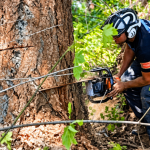
Tree work, especially for large trees or those in compromised health, can be dangerous. Attempting to prune large branches, remove a tree, or diagnose complex health issues without proper training, equipment, or safety gear can lead to injury, property damage, or further harm to the tree. Professional arborists have the expertise and tools to do the job safely and effectively.
Neglecting Soil Conditions and Compaction
Neglecting the soil around your trees is another significant oversight. Compacted soil, often caused by heavy foot traffic or construction, restricts root growth and reduces oxygen availability, worsening the effects of saturation. Failing to amend nutrient-poor soil also weakens trees, making them less resilient to environmental stressors common in La Conner.
Incorrect Mulching Techniques
While mulching is beneficial, applying it incorrectly can harm trees. Piling mulch too high against the tree trunk, creating a ‘mulch volcano,’ can trap moisture against the bark, leading to rot and inviting pests. It also encourages roots to grow upwards, making them more susceptible to drought and damage. Always apply mulch in a thin, even layer, keeping it a few inches away from the trunk.
Local Regulations and Climate Factors Affecting La Conner Trees
Understanding the specific rules and climate of La Conner, WA, is crucial for effective tree care. These factors directly influence what you can and cannot do with your trees, and how they will respond to the environment. The unique geographic location of La Conner, nestled along the Swinomish Channel, often means low-lying areas are particularly susceptible to the effects of heavy rainfall and high tides.
La Conner Tree Permitting and ‘Significant Tree’ Rules
The Town of La Conner has specific regulations regarding tree work, especially for ‘significant trees’ which are defined as evergreen or deciduous trees with a diameter of at least six inches at five feet above ground level. A permit is required for planting a tree in the street right-of-way, removing a significant tree, or performing major tree care. Authorization for removal is typically granted if development cannot proceed, the tree interferes with utilities, poses a traffic hazard, or is diseased and likely to cause harm. Emergency removals and certain species like fruit trees or poplars may be exempt. During construction, protective barriers must be used for trees intended for preservation, and utilities near roots should be tunneled.
Skagit County Regulations and Critical Areas
Beyond town limits, Skagit County’s Critical Areas Ordinance (CAO) mandates review for activities affecting critical areas, including those impacting soil, water, or vegetation in low-lying zones. Additionally, cutting ‘merchantable timber’ (trees 6 inches or more in diameter) may require permits as a ‘forest practice activity,’ especially if land use conversion is involved. Skagit County also has landscaping requirements that specify tree and shrub types and their maintenance, which property owners should be aware of.
Washington State Tree Laws and Neighbor Disputes
Washington State laws also govern tree-related disputes between neighbors. Property owners can trim branches or roots encroaching from a neighbor’s tree up to their property line. However, damaging or disfiguring the tree can lead to liability, including treble damages under Washington’s timber trespass statute (RCW 64.12). Trees with trunks straddling property lines are jointly owned, requiring mutual consent for removal or significant damage. If a neglected or hazardous tree on your property causes damage to a neighbor’s property, you may be held liable.
La Conner’s Climate: Rainfall, Winds, and Their Impact
La Conner experiences a mild climate with warm summers and mild, wet winters. The area averages 32 inches of rain annually, with November often being the wettest month. While snowfall is minimal (about 5 inches per year), the combination of consistent rainfall and frequent strong winds, especially from Puget Sound, creates challenging conditions. Saturated soil significantly increases the risk of trees falling during wind events, a major concern for both property damage and power outages.
What Most La Conner Residents Miss About Tree Care
Many La Conner residents, especially those new to the area or living away from the immediate waterfront, might not fully appreciate the long-term impact of consistent soil saturation on their trees. It is not just about visible flooding; it is about the constant dampness beneath the surface. This subtle but persistent condition, particularly prevalent in the low-lying areas near the Swinomish Channel, slowly chokes tree roots of oxygen, leading to a silent decline that can go unnoticed for years. Trees may appear healthy on the surface while their root systems are slowly rotting away. This makes them incredibly vulnerable to sudden collapse during a typical La Conner windstorm, even if the storm isn’t exceptionally severe. The crucial detail missed is that the ground is often already compromised, setting the stage for disaster.
Expert Tip: When to Call for Professional Tree Care in La Conner
Knowing when to call a professional arborist is key to preventing major tree problems and ensuring safety on your La Conner property. While general maintenance can be handled by homeowners, certain situations definitely warrant expert intervention. Earthworks Tree Service often advises calling an arborist if you notice any significant changes in your tree’s health, such as rapid leaf discoloration, unusual growths, or sudden branch dieback. If a tree looks unstable, has large dead branches, or is leaning significantly, it poses an immediate hazard and should be assessed by a professional right away.
Anytime you are considering removing a large tree, pruning near power lines, or need help diagnosing a complex tree disease, the expertise of a certified arborist is invaluable. They have the knowledge, equipment, and insurance to handle these tasks safely and effectively, providing peace of mind for La Conner homeowners.
Frequently Asked Questions
What is root rot, and how does it affect trees in La Conner?
Root rot is a common problem in La Conner’s low-lying areas due to consistently wet soils. It occurs when tree roots are deprived of oxygen, leading to fungal growth that decays the roots. Signs include yellowing leaves, stunted growth, wilting, and branch dieback. Early detection and proper drainage are key to managing this issue.
What types of trees are best suited for wet, low-lying areas in La Conner?
When planting in low-lying, wet areas in La Conner, choose species known for their flood tolerance. Good options include willow oak, bald cypress, red maple, and certain types of dogwood. It is always wise to consult with a local arborist to select the best species for your specific soil conditions and property layout.
Do I need a permit to remove or prune a tree in La Conner, WA?
Yes, permits are often required in La Conner for significant tree work. This includes planting a tree in the street right-of-way, removing a significant tree, or performing major care. A ‘significant tree’ is generally defined as one with a diameter of at least six inches at five feet above ground. Always check with the Town Planner before starting work.
How can I tell if my tree is stressed or unhealthy in La Conner’s climate?
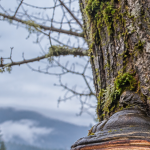
Signs of a stressed tree include discolored or wilting leaves, premature leaf drop, dead branches, fungal growth on the trunk, and sudden changes in growth patterns. In La Conner’s wet conditions, pay close attention to signs of root rot or instability, especially after heavy rains or strong winds. Regular tree health assessments can catch issues early.
When is the best time to prune trees in La Conner to prevent wind damage?
Regular pruning helps maintain tree health, improve structure, and reduce the risk of wind damage, especially important in La Conner where strong winds are common. The best time for general pruning is typically late fall or winter when trees are dormant. However, specific needs, like removing dead or hazardous branches, can be addressed any time. For detailed guidance, consider a professional tree health assessment.
What steps can I take to protect my trees from strong winds in La Conner?
Protecting trees from wind damage in La Conner involves several strategies. Proper pruning by an arborist can create a more wind-resistant canopy. Ensuring healthy root systems by managing soil moisture and drainage is crucial, as saturated soils lead to weaker anchorage. Consider windbreaks from other plantings if appropriate for your property.
What are my rights if a neighbor’s tree is encroaching on my La Conner property?
If a neighbor’s tree is encroaching on your property in Washington State, you generally have the right to trim branches or roots up to your property line. However, you cannot damage or disfigure the tree, as this could lead to liability. For boundary trees whose trunks straddle the property line, neither owner can remove or significantly damage them without the other’s consent. It is always best to communicate with your neighbor and, if necessary, seek legal advice.
Protect Your Trees Before Local Conditions Take a Toll
Caring for trees in La Conner’s low-lying areas requires a deep understanding of local conditions, from the persistent rain to the unique soil characteristics. By being proactive and informed, La Conner property owners can protect their trees from the common challenges of saturated soils, windthrow, and disease. Remember, healthy trees add beauty and value to your home and community. Don’t let these challenges overwhelm you. Ready to get started? Contact Earthworks Tree Service today for expert assistance and peace of mind. Our certified arborists are ready to help keep your trees thriving.