
Key Takeaways
- Shared Ownership: When a tree trunk grows directly on the boundary line, both neighbors are typically considered joint owners and share responsibility for maintenance.
- Trimming Rights: In Washington, homeowners usually have the right to trim branches that extend over their property line, as long as the work does not harm the tree.
- Communication Matters: Most property line tree disputes can be resolved through open conversations between neighbors before scheduling trimming.
- Safety First: Large trees near homes or power lines should always be handled by trained professionals.
- Local Expertise: Working with an experienced Bellingham tree service ensures the tree is trimmed safely while protecting nearby property.
Trees are an important part of the landscape in Bellingham, Washington, providing shade, natural beauty, and environmental benefits for homeowners. Mature trees help define neighborhoods, increase property value, and create the lush greenery that the Pacific Northwest is known for. However, when a tree grows directly along the boundary between two homes, questions about responsibility often arise.
One of the most common concerns homeowners face is simple but important: who pays for trimming a tree that sits on the property line? The answer depends largely on where the tree’s trunk is located and how the branches affect each property. Understanding these details can help homeowners avoid disputes and keep trees healthy while protecting their homes.
When handled correctly, property line trees can remain a shared benefit rather than a source of tension between neighbors.
Understanding Property Line Trees
Before deciding who should pay for trimming, the first step is determining exactly where the tree is growing. In many cases, homeowners assume a tree is shared when it actually belongs entirely to one property.
A tree is considered a property line tree when its trunk grows directly on the boundary between two parcels of land. In this situation, the trunk may straddle the property line or grow precisely where the two properties meet. However, many trees that appear to be shared actually have their trunk fully rooted on one side of the boundary. Even if branches stretch over fences or into neighboring yards, the tree itself may still legally belong to only one homeowner. This distinction matters because ownership determines who is responsible for maintaining the tree and paying for trimming or removal. If the trunk sits fully on one property, that homeowner owns the tree. If the trunk grows directly on the property line, the tree is generally considered jointly owned.
Washington State Tree Trimming Rules
In most parts of Washington, property owners follow what is commonly known as the self-help rule. This principle allows homeowners to trim parts of a tree that extend over their property line without needing permission from the tree’s owner.
However, the trimming must follow certain limitations. The work must remain entirely on the homeowner’s side of the property boundary, and the trimming cannot damage the overall health or stability of the tree. For example, if large branches hang over a driveway or backyard, the affected homeowner can usually trim those branches back to the property line. What they cannot do is cut so aggressively that the tree becomes unstable or dies.
Because of these rules, many homeowners choose to discuss trimming plans with their neighbors before hiring a tree service. This helps prevent misunderstandings and ensures both parties are comfortable with the work being done.
When the Tree Is Exactly on the Property Line
If the trunk grows directly on the boundary line between two properties, the situation becomes slightly more complicated. In these cases, the tree is generally considered shared property. This means both homeowners have an interest in the tree and share responsibility for maintaining it. Major trimming work, structural pruning, or tree removal should usually involve agreement from both neighbors.
Because both parties benefit from the tree, it is common for the cost of professional trimming to be split between them. This shared approach ensures that the tree remains healthy while preventing one homeowner from making major changes without the other’s approval.
If a shared tree is damaged because one neighbor performs unauthorized work, they could potentially become responsible for replacing the tree or covering damages. For this reason, cooperation and communication are extremely important when dealing with trees that sit directly on property boundaries.
Common Property Line Tree Problems in Bellingham
The climate of Bellingham encourages the growth of tall evergreens, maples, and other mature trees that can reach impressive heights. While these trees add beauty to residential areas, they also increase the likelihood of property line issues.
One of the most common problems is overhanging branches. As trees grow, their limbs may stretch across fences and into neighboring yards, dropping leaves, needles, or small branches. Another concern involves excessive shade. Large trees can block sunlight from gardens, lawns, or solar panels, which may frustrate nearby homeowners.
Roots can also become an issue when they spread beneath property boundaries and begin affecting patios, sidewalks, or underground pipes.
Storm damage is another concern. The Pacific Northwest occasionally experiences strong windstorms that can break limbs or weaken older trees. When these trees sit near property lines, falling branches may threaten both homes. These situations often lead to trimming requests and discussions between neighbors about responsibility.
The Importance of Communication Between Neighbors
Many property line tree conflicts can be avoided with a simple conversation. Before scheduling trimming work, it often helps to speak with your neighbor about the issue and explain your concerns. Showing exactly which branches are causing problems and discussing possible solutions can lead to cooperative decisions. In some cases, neighbors agree to split the cost of trimming if both properties benefit from the work.
Taking the time to communicate respectfully can prevent unnecessary tension and preserve good relationships between neighbors. In most communities, homeowners prefer to resolve tree concerns through cooperation rather than legal action.
Why Professional Tree Trimming Is Often Necessary
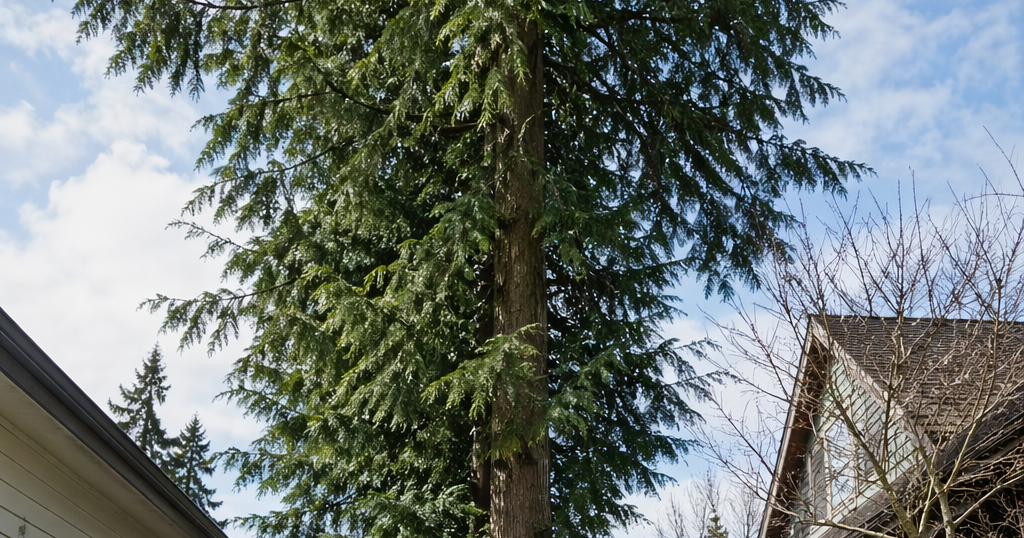
While small branches can sometimes be trimmed by homeowners, large property line trees often require professional equipment and expertise. Trees that exceed 30 or 40 feet in height can pose serious safety risks if trimmed incorrectly.
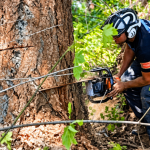
Improper pruning can damage the tree’s structure, leading to weak branch growth or increased risk of falling limbs. In some cases, aggressive trimming can even kill the tree. Professional arborists understand how to prune trees in ways that promote healthy growth while maintaining structural stability. They also use specialized climbing gear and safety equipment to handle branches safely. Hiring experienced professionals helps ensure the work protects both properties and avoids unnecessary damage.
Professional Tree Care in Bellingham
Homeowners dealing with boundary trees often benefit from expert guidance. Earthworks Tree Service has extensive experience helping property owners manage trees that grow near fences, homes, and shared boundaries. Our team understands how to evaluate mature trees and determine the safest trimming approach while preserving the health of the tree. By carefully assessing branch weight, growth patterns, and structural balance, we ensure trimming is done responsibly.
Earthworks Tree Service works closely with homeowners to address concerns involving shared trees and neighboring properties. Our arborists use modern equipment and proven techniques to remove hazardous branches without harming surrounding landscaping or structures. We are familiar with the unique climate and tree species of Bellingham and recommend pruning schedules and maintenance strategies that keep trees healthy for years to come.
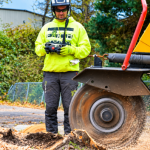
Earthworks Tree Service offers services such as tree pruning & trimming, tree removal, stump grinding, commercial tree services, ISA-Certified Consultation, permitting & reporting, electrical line clearance certified services, emergency tree removal, and cabling and bracing. Our focus on safety and professional care makes us a trusted choice for homeowners dealing with complicated tree situations. You can call us at – (360)-994-1211.
Frequently Asked Questions
1. Can I trim branches from my neighbor’s tree that hang over my yard in Bellingham, WA?
Yes. Homeowners generally have the right to trim branches that extend onto their property in Bellingham, Washington. However, the trimming must remain on your side of the property line and should not harm the health or stability of the tree.
2. Who is responsible for trimming a tree on the property line in Bellingham, WA?
If a tree’s trunk grows directly on the boundary line, it is typically considered shared property. In most cases, both neighbors should agree on trimming and often share the cost of the work.
3. Can my neighbor remove a shared property line tree without my permission in Bellingham, WA?
Usually not. When a tree sits directly on the property boundary, both homeowners generally have rights to the tree. Removing it without the other owner’s agreement may lead to legal issues.
4. What happens if a neighbor’s tree damages my property in Bellingham, WA?
Responsibility may depend on whether the tree was known to be hazardous and whether the owner took reasonable steps to maintain it. Each situation may vary depending on the circumstances.
5. Do I need permission to hire a tree trimming service for overhanging branches in Bellingham, WA?
If the trimming is limited to branches extending over your property line, permission may not be required. However, discussing the work with your neighbor is always recommended.
6. How often should property line trees be trimmed in Bellingham, WA?
Most mature trees benefit from professional pruning every three to five years, although fast-growing species may require more frequent trimming.
7. Can tree roots cross property lines in Bellingham, WA?
Yes. Tree roots commonly extend beyond property boundaries. If roots cause damage or concern, homeowners should address the issue carefully to avoid harming the tree.
8. When should I hire a professional arborist for a property line tree in Bellingham, WA?
Professional help is recommended when trees are large, close to structures, storm-damaged, or when trimming requires specialized equipment for safe removal.
Summary Checklist: Property Line Tree Responsibilities
| Situation | Responsibility |
| Branches hanging over your property | You can trim branches up to your property line at your own expense, as long as the tree is not harmed. |
| Tree trunk on neighbor’s property | The neighbor owns the tree and is responsible for maintenance. You control only what extends onto your property. |
| Tree trunk on the boundary line | Both property owners share ownership and are responsible for maintenance and costs. |
| Hazardous branches threatening structures | Responsibility may fall on the tree owner if they were aware of the hazard and failed to act. |
| Major structural trimming required | Mutual agreement is recommended to avoid liability or damage to the tree. |
| Full tree removal on property line | Usually requires agreement from both parties and shared cost responsibility. |
Final Advice
Trees that grow along property lines can bring both beauty and challenges to homeowners. The most important step in resolving trimming questions is identifying exactly where the tree’s trunk sits and understanding the rights each property owner has under Washington law.
Open communication with neighbors often leads to the simplest solutions. By discussing concerns early and agreeing on trimming plans, homeowners can avoid misunderstandings and keep their properties safe. If the tree is large, aging, or potentially hazardous, professional arborists can provide valuable guidance. Expert trimming protects the health of the tree while preventing damage to nearby homes, fences, and landscaping.
If you need professional help managing a property line tree in Bellingham, Washington, the experienced arborists at Earthworks Tree Service can provide safe and reliable trimming solutions. Their team specializes in evaluating boundary trees, removing hazardous limbs, and maintaining healthy growth without damaging nearby structures. With professional equipment and local expertise, they help homeowners resolve tree concerns efficiently while keeping properties safe and well-maintained.