
December 9, 2025
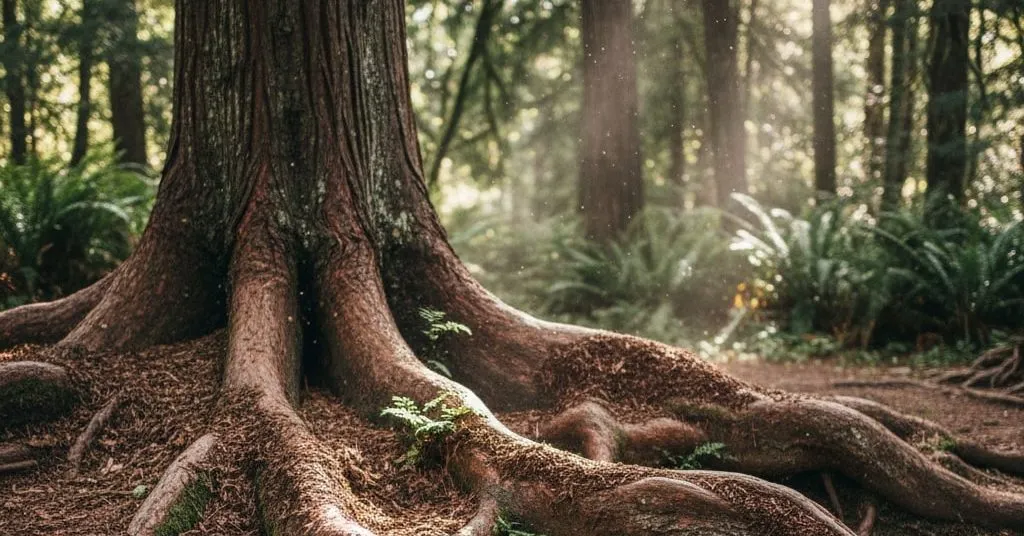
Tree roots growing above the ground are a common sight in the Pacific Northwest, particularly around older, well-established trees in Mount Vernon, Bellingham, Burlington, and Sedro-Woolley. These roots might weave through lawns, crack sidewalks, or rise slightly above the surface of garden beds. While some homeowners view them as a nuisance or a tripping hazard, exposed tree roots are a natural part of a tree’s survival strategy. However, knowing how to handle them correctly can mean the difference between a healthy, thriving tree and one that slowly declines due to improper maintenance.
Earthworks Tree Service, the most experienced tree care company in Mount Vernon with over 25 years of hands-on expertise, explains why roots surface, the potential dangers they pose, and the best management practices for long-term tree health and landscape beauty.
Why Tree Roots Rise Above the Ground in Western Washington
Tree roots don’t typically dive deep underground. In fact, the majority of a tree’s roots spread outward within the top 12–18 inches of soil, where they can easily access oxygen, nutrients, and water. Over time, a combination of natural growth patterns and environmental conditions can push some of these roots to the surface.
Compacted Soil Forces Roots Upward
Heavy foot traffic, construction, or vehicles can compress soil, reducing available oxygen and space. To survive, roots migrate upward where conditions are more favorable for gas exchange and moisture absorption.
Shallow-Rooted Tree Species Are More Prone to Exposure
Certain trees are more prone to developing surface roots. Species like maples, elms, poplars, and willows have naturally shallow root systems. Even under ideal conditions, these roots often extend close to the surface as the tree matures.
Erosion and Runoff Wash Away Protective Soil Layers
Rain, wind, and runoff gradually wash away the top layers of soil around the tree base, revealing previously buried roots. Sloped properties and poorly managed drainage systems can accelerate this process.
Mature Trees Naturally Expand Over Time
As trees age, their roots expand outward in search of stability and nutrients. Over decades, these growth patterns can cause roots to lift sidewalks, patios, and driveways, especially in residential areas with compacted soil.
Planting Too Shallow Can Lead to Surface Roots Later
Trees planted too shallowly are more likely to develop exposed roots later in life. The initial planting depth has long-term effects on how the root system develops and interacts with the surrounding soil.
The Hidden Problems Exposed Roots Can Cause
While visible roots may seem harmless, they can lead to several problems if ignored. Understanding these risks helps homeowners take proactive steps before minor issues turn into major hazards.
- Trip and Fall Hazards: Raised roots create uneven walking surfaces, increasing the risk of falls especially for children, elderly individuals, or during rainy weather.
- Lawn Mower and Equipment Damage: When mower blades hit roots, they can wound the tree, leaving it vulnerable to fungal infections or rot. The equipment can also be damaged.
- Erosion and Drainage Issues: Bare soil around roots is more susceptible to erosion. Over time, this can destabilize the tree and nearby landscaping.
- Tree Health Decline: Damaging or covering surface roots can cut off vital nutrient pathways. Once these roots are compromised, the entire tree’s health may begin to decline, sometimes irreversibly.
- Structural Hazards: In rare cases, roots lifting driveways or foundations may cause structural issues that require professional intervention.
Should You Cover, Mulch, or Leave Exposed Roots Alone?
When you see exposed roots, your instinct might be to cover them quickly with soil or landscaping material. But before doing so, it’s crucial to understand how each option affects tree health.
Why Adding Extra Soil Can Do More Harm Than Good
Covering roots with several inches of soil might seem like a quick fix, but it suffocates the root system. Tree roots rely on oxygen from the upper soil layers. When deprived of air, they can rot, leading to root death and structural instability.
How Mulching Protects Roots and Improves Soil Health
Mulching is the best way to protect exposed roots while maintaining tree health. A 2–3 inch layer of organic mulch (such as wood chips, pine bark, or shredded leaves) offers multiple benefits:
- Retains moisture and regulates soil temperature.
- Reduces erosion caused by rain or runoff.
- Prevents mower and foot traffic damage.
- Enhances the appearance of your yard while blending exposed roots into the landscape.
Smart Mulching Practices Homeowners Should Follow
- Keep mulch 3–6 inches away from the trunk to prevent moisture buildup and decay.
- Avoid creating a thick “mulch volcano” around the base.
- Replenish mulch as it decomposes naturally each year.
Why You Should Never Cut or Prune Surface Roots
Removing surface roots can severely weaken the tree. These roots often serve as structural anchors and nutrient highways. Cutting them can cause instability, especially during heavy winds or storms. Instead, contact a certified arborist to evaluate whether limited root pruning is safe or necessary.
Simple Landscape Ideas to Blend Roots Naturally
For aesthetic or practical reasons, you may want to modify your yard’s layout around exposed roots. Consider:
- Planting shade-tolerant ground covers such as creeping thyme, hostas, or ferns around the roots.
- Designing decorative rock gardens or natural mulch beds to incorporate roots as part of the landscape design.
- Installing raised walkways or paths to reduce soil compaction and foot traffic.
When It’s Time to Bring in a Certified Arborist
If exposed roots are causing noticeable damage or posing safety concerns, it’s time to contact an ISA-certified arborist. Professional assessment ensures the health of your tree while addressing property risks responsibly.
At Earthworks Tree Service, we specialize in diagnosing and treating root-related issues across Skagit and Whatcom counties. Our services include:
- Safe and selective root pruning (only when appropriate)
- Tree health inspections and soil testing
- Cabling and bracing systems to support compromised trees
- Professional removal when trees pose unavoidable safety risks
With over two decades of experience, our arborists combine expertise with specialized equipment to ensure every service maintains the tree’s health and your property’s safety.
How to Prevent Surface Root Problems in the Future
Prevention is always better than cure. The best way to manage exposed roots is to stop them from forming in the first place.
For Newly Planted Trees:
- Choose the right species: Opt for trees with deep, non-invasive roots such as oaks, hickories, or conifers.
- Plant at the proper depth: The root flare (where the trunk widens at the base) should be slightly above ground level.
- Ensure loose, well-aerated soil: Regular aeration and mulching prevent compaction and allow healthy root development.
For Established Trees:
- Avoid driving or storing heavy equipment under the canopy.
- Maintain consistent watering and mulching routines.
- Schedule annual inspections with a professional arborist to detect early root stress.
FAQs About Exposed Tree Roots in Western Washington
What causes tree roots to grow above ground?
Tree roots surface when soil is compacted or oxygen is limited. Some species like maples and alders naturally form shallow roots. Erosion, age, or poor planting depth can also expose roots over time, especially in wetter Western Washington soils.
Can I cover exposed tree roots with soil or gravel?
No. Covering roots with heavy soil or gravel traps moisture and cuts off oxygen. This can cause root rot and weaken the tree. Apply a thin layer of mulch instead to protect and insulate roots while keeping airflow intact.
Is it safe to cut surface roots?
Cutting exposed roots can destabilize the tree and disrupt its water flow. Even small cuts may cause stress or disease. Always get advice from a certified arborist before trimming or removing any surface roots.
How can I prevent tree roots from surfacing again?
Choose tree species suited to local soil conditions, water deeply but infrequently, and avoid compacting soil near the trunk. For established trees, maintain consistent mulching and moisture to encourage deeper root growth.
Can exposed roots damage sidewalks or driveways?
Yes. Expanding surface roots can lift or crack concrete over time. A professional arborist can help manage these roots safely, protecting both your tree’s health and your property’s structure.
Protect, Don’t Cover: Your Tree’s Roots Are Their Lifeline
Tree roots appearing above ground may look troublesome, but they are vital to your tree’s health. Rather than covering or cutting them, protect them with mulch, reduce soil compaction, and work with an arborist for long-term solutions. Proper care today ensures your trees remain strong, stable, and beautiful for generations.
Need professional advice or service?
At Earthworks Tree Service, we’re proud to offer eco-friendly, competitively priced tree services throughout Western Washington. From emergency storm cleanup to long-term tree preservation, our licensed, bonded, and insured team provides comprehensive care 24 hours a day.