

April 29, 2026
Key Takeaways
- Native trees manage water naturally: Trees adapted to the Pacific Northwest climate help rain gardens absorb excess water while preventing soil erosion.
- Better survival rates: Native species are already suited to the rainfall patterns and soil conditions of Bellingham, making them easier to maintain.
- Wildlife benefits: Many native trees provide food and shelter for birds, pollinators, and beneficial insects.
- Stronger root systems: Deep roots help rain gardens filter stormwater and improve soil stability.
- Long-term sustainability: Native trees require less watering, fertilizer, and maintenance compared to non-native species.
Rain gardens have become increasingly popular in Bellingham, Washington, where seasonal rainfall and stormwater runoff can challenge residential landscapes. A well-designed rain garden collects excess rainwater from roofs, driveways, and lawns, allowing it to soak slowly into the soil rather than flooding storm drains.
While many homeowners focus on shrubs and flowering plants for rain gardens, trees can play an equally important role. Native trees, in particular, provide deep root systems that absorb large amounts of water while stabilizing the surrounding soil. They also create shade, improve biodiversity, and contribute to the natural beauty of Pacific Northwest landscapes.
Choosing the right native tree species is essential. Some trees thrive in moist soil and occasional flooding, while others prefer drier conditions and may struggle in rain gardens. By selecting species that naturally grow in wet environments, homeowners can create a landscape that is both environmentally friendly and easy to maintain.
This guide explores some of the best native trees to plant in a rain garden in Bellingham and explains how they contribute to healthier soil, improved drainage, and thriving ecosystems.
Why Native Trees Work Best in Rain Gardens
Native trees are plants that evolved naturally within a specific region and climate. In the Pacific Northwest, these species have adapted to long rainy seasons, cool temperatures, and soils that may become saturated during heavy storms. Because of these adaptations, native trees often perform better in rain gardens than ornamental or imported species. Their roots are particularly important.
Deep, spreading root systems allow native trees to absorb large volumes of water while improving soil structure. As rainwater filters through the soil, the roots help trap pollutants, preventing them from entering nearby streams or waterways.
Native trees also support local wildlife. Birds, pollinators, and insects rely on these trees for food and shelter. Planting native species in a rain garden, therefore, contributes not only to stormwater management but also to ecological restoration within urban environments.
For homeowners in Bellingham, selecting native trees ensures that the rain garden will remain resilient even during heavy rainfall events.
The Importance of Rain Gardens in Bellingham
The coastal climate of Bellingham receives significant rainfall during the fall and winter months. When heavy rain hits paved surfaces like driveways and sidewalks, the water often runs off quickly instead of soaking into the ground. This runoff can overwhelm drainage systems and carry pollutants into local waterways such as Bellingham Bay.
Rain gardens help solve this problem by slowing down the movement of stormwater. These shallow landscape depressions capture runoff and allow it to gradually filter through soil layers and plant roots. Adding native trees to rain gardens strengthens this system. Their roots improve soil permeability and create channels that allow water to move deeper underground. In addition to improving drainage, rain gardens enhance the natural beauty of residential landscapes and support healthier ecosystems within urban areas.
Best Native Trees for Bellingham Rain Gardens
Selecting the right species ensures your rain garden will thrive for decades. The following native trees are well-suited to the moist soil conditions often found in Pacific Northwest rain gardens.
1. Red Alder
One of the most adaptable native trees in the region is the Red Alder. This fast-growing tree naturally thrives near streams, wetlands, and areas with moist soil.
Red alder is particularly valuable in rain gardens because its roots help stabilize soil and improve drainage. The tree also has the ability to fix nitrogen in the soil, which improves overall soil fertility for nearby plants. In addition to its environmental benefits, red alder provides habitat for birds and beneficial insects. Its rapid growth also allows homeowners to establish shade and structure in their rain gardens relatively quickly.
2. Pacific Willow
Another excellent choice is the Pacific Willow, a tree that naturally grows in wetlands and along riverbanks. It is well known for its ability to tolerate saturated soil conditions. Its roots are extremely effective at absorbing excess water, making it ideal for areas where rain gardens collect heavy runoff.
The tree’s flexible branches and narrow leaves create a graceful appearance that blends beautifully with natural landscapes. It also provides nesting sites for birds and shelter for small wildlife. Because of its ability to handle wet environments, Pacific willow is often recommended for larger rain gardens or properties with significant drainage challenges.
3. Western Red Cedar
The iconic Western Red Cedar is another native species that can perform well in rain garden landscapes when planted in slightly elevated sections of the garden. This evergreen tree is deeply rooted in Pacific Northwest ecosystems and can tolerate moist soil conditions once established. Western red cedar provides year-round greenery and creates a natural windbreak for residential properties.
Its dense foliage offers valuable shelter for birds and wildlife, while its deep roots help stabilize the surrounding soil. Because it can grow quite large, homeowners should carefully plan its placement within the rain garden to ensure adequate space for future growth.
4. Vine Maple
The Vine Maple is a smaller native tree that works well in compact rain gardens or shaded yards. Unlike larger trees, vine maple often grows as a multi-stemmed tree or large shrub. Its delicate leaves turn brilliant shades of red and orange during autumn, adding seasonal color to the landscape.
Vine maple prefers moist, well-drained soil and thrives in partial shade, making it a great choice for rain gardens located beneath taller trees or near structures. Its modest size makes it particularly suitable for residential properties where space may be limited.
5. Sitka Spruce
For homeowners with larger properties, Sitka Spruce can be an impressive addition to a rain garden. This towering evergreen tree is native to coastal regions of the Pacific Northwest and is highly tolerant of wet soil conditions. Sitka spruce develops deep roots that help anchor soil and manage water runoff effectively.
While it requires ample space to grow, it provides exceptional habitat for birds and contributes to the natural forest character of the region. Planting Sitka spruce in the outer edges of a rain garden can create a dramatic focal point while supporting stormwater management.
Designing a Rain Garden with Trees
Creating a successful rain garden involves more than simply planting trees in a low area of the yard. Proper planning ensures the garden effectively manages stormwater while supporting healthy plant growth.
Rain gardens typically consist of several zones based on moisture levels. The lowest section receives the most water and is best suited for highly water-tolerant plants. Trees that prefer moist soil but not constant flooding are often placed along the edges of the garden.
Soil composition also plays a major role. Many rain gardens use a mixture of compost, sand, and native soil to create an environment that drains slowly but efficiently. Mulching around trees helps retain moisture while preventing erosion during heavy rainfall. Careful planning ensures that the rain garden functions properly while remaining visually appealing.
Maintaining Trees in a Rain Garden
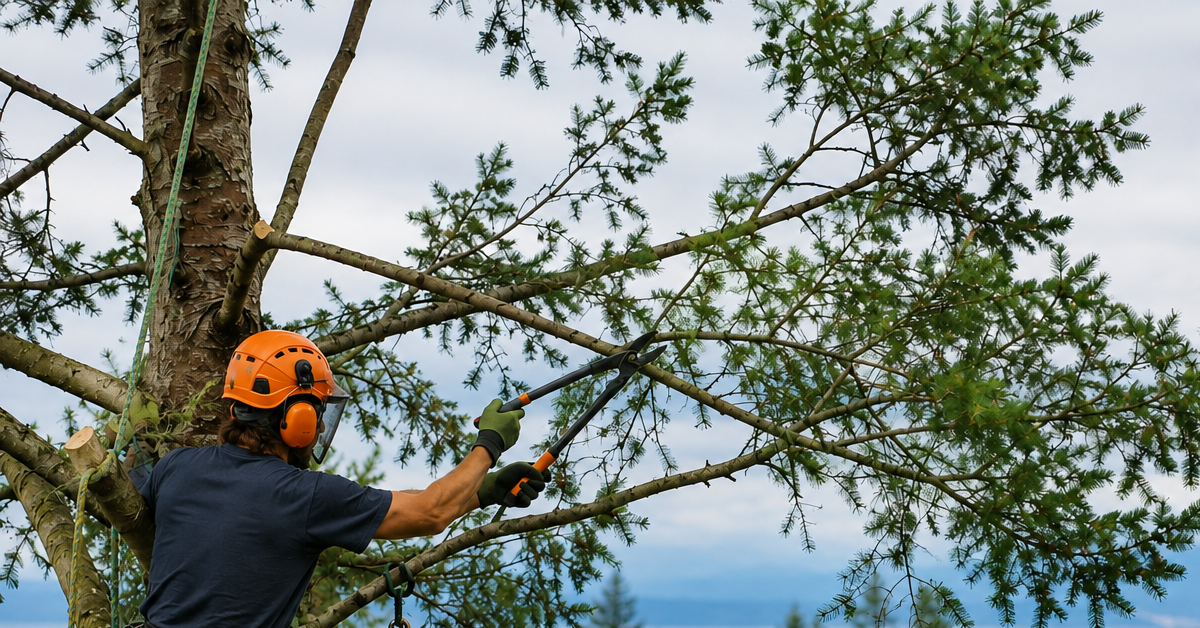
Once established, native trees require relatively little maintenance. However, regular monitoring helps ensure they remain healthy and continue performing their role in stormwater management. Pruning may occasionally be necessary to remove damaged or overcrowded branches. Proper pruning improves airflow and prevents structural issues as the tree matures. Mulch should be replenished periodically to protect the soil and maintain moisture levels. During the first year after planting, trees may also require supplemental watering until their roots become fully established. Routine inspections help identify potential problems such as disease, pests, or structural weaknesses before they become serious.
Planting trees in a rain garden requires thoughtful planning, proper placement, and ongoing care to ensure the landscape remains healthy and effective.
Earthworks Tree Service helps homeowners select and maintain native trees that thrive in Bellingham’s wet climate. Our team understands how different tree species interact with rain garden soils and drainage patterns, allowing them to recommend the best trees for long-term success. From planting guidance to pruning and structural maintenance, Earthworks Tree Service provides professional care that supports healthy growth and strong root systems.
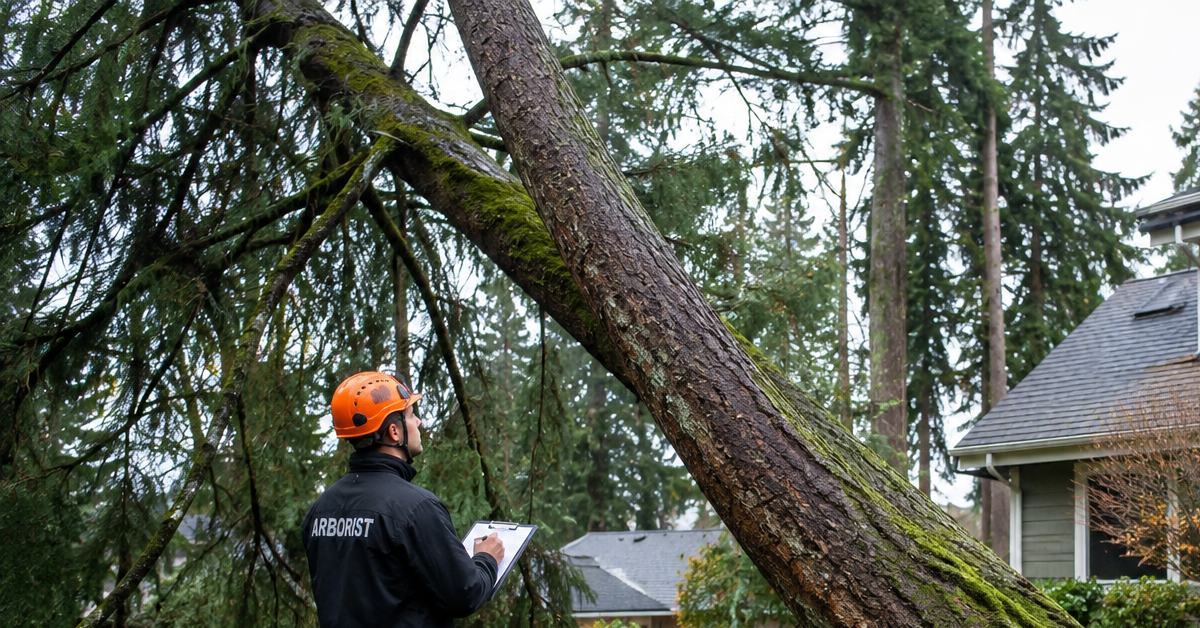
We also help homeowners manage mature trees surrounding rain gardens, ensuring that large branches do not block sunlight or disrupt water flow. Our arborists use modern equipment and environmentally responsible techniques to maintain trees while protecting nearby landscaping. With years of experience working with native Pacific Northwest species, they are committed to helping homeowners build landscapes that are both beautiful and sustainable.
Frequently Asked Questions by Homeowners in Bellingham, WA
1. What are the best native trees for rain gardens in Bellingham, WA?
Some of the best options include red alder, vine maple, Pacific willow, western red cedar, and Sitka spruce because they tolerate moist soil conditions.
2. Can trees really improve rain garden drainage in Bellingham, WA?
Yes. Deep tree roots help absorb stormwater, break up compacted soil, and allow water to filter deeper into the ground.
3. How large should a rain garden be for trees in Bellingham, WA?
The size depends on available space and runoff volume, but larger rain gardens provide more room for tree roots to spread and absorb water.
4. Do native trees require a lot of maintenance in Bellingham, WA?
Native trees generally require less maintenance than non-native species because they are naturally adapted to the region’s climate and rainfall.
5. Can rain gardens support wildlife in Bellingham, WA?
Yes. Native trees provide shelter, nesting areas, and food for birds, insects, and pollinators.
6. Will tree roots damage the rain garden drainage system?
Properly selected native species typically enhance drainage rather than damage it by improving soil structure.
7. When is the best time to plant rain garden trees in Bellingham, WA?
Fall and early spring are ideal because cooler temperatures and rainfall help trees establish strong roots.
8. Should I hire an arborist when planting trees in a rain garden in Bellingham, WA?
Professional arborists can recommend the right species, placement, and maintenance plan to ensure long-term success.
Summary Checklist: Planning a Rain Garden with Native Trees
| Factor | Why It Matters | Recommended Action |
| Tree Species | Impacts water needs, growth rate, and long-term survival | Choose native or climate-adapted species for better resilience |
| Soil Drainage | Poor drainage can cause root rot and decline | Use well-draining soil or amend with organic material |
| Placement | Affects spacing, airflow, and future growth | Plant large trees away from structures and allow proper spacing |
| Sunlight | Controls photosynthesis and growth performance | Match tree species to full sun, partial shade, or full shade conditions |
| Maintenance | Prevents disease, structural issues, and hazards | Schedule routine pruning, inspections, and health assessments |
Final Advice
Creating a rain garden with native trees is one of the most effective ways to manage stormwater while enhancing the natural beauty of your landscape in Bellingham, Washington. Choosing species that naturally thrive in wet soil conditions ensures the garden remains resilient during heavy rainfall and continues supporting local wildlife.
If you are planning to plant or maintain trees in your rain garden, the Earthworks Tree Service team can help. Our arborists specialize in native tree care, proper planting techniques, and long-term maintenance strategies that keep rain garden landscapes healthy. From selecting the right species to pruning mature trees around your property, we provide reliable guidance tailored to Bellingham’s climate. With professional expertise and a commitment to sustainable landscaping, they help homeowners create rain gardens that thrive for years to come.