
May 5, 2026
Key Takeaways
- HOA approval is often required: Many tree removals or major trimming projects in Sudden Valley require permission from the homeowners’ association.
- County regulations may also apply: In addition to HOA rules, Whatcom County regulations may affect tree removal, especially in protected areas.
- Environmental protections matter: Sudden Valley’s heavily forested environment means tree rules are designed to protect wildlife and prevent erosion.
- Planning prevents fines: Getting proper approvals before cutting or removing a tree can help avoid penalties or disputes.
- Professional arborists can help: Tree care experts understand local regulations and can guide homeowners through the approval process.
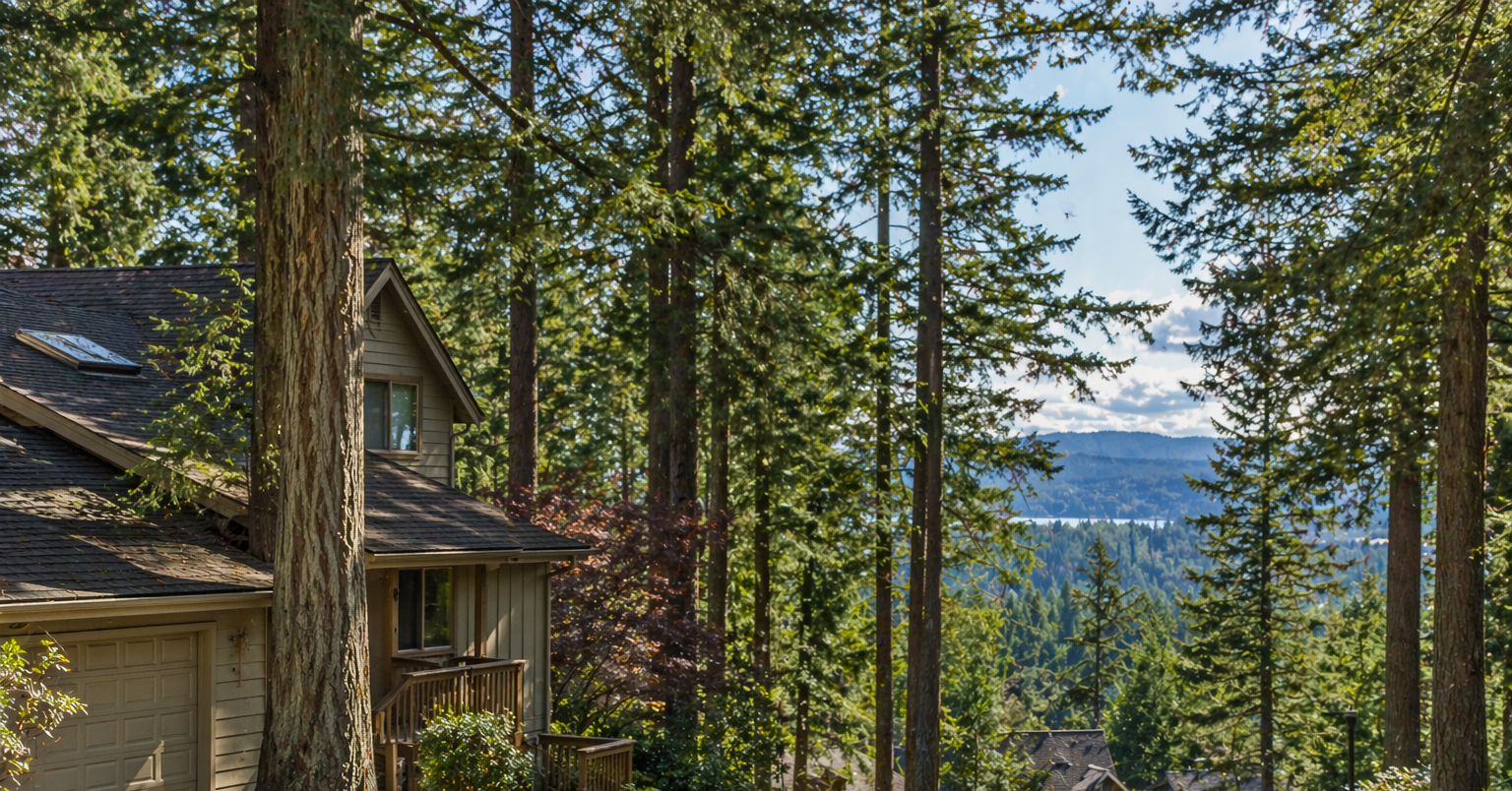
Homes in Sudden Valley, a scenic community near Bellingham, Washington, are surrounded by dense forests, towering evergreens, and natural landscapes. These trees contribute to the area’s beauty and environmental health, but they also come with rules designed to protect the community’s natural character.
For homeowners who want to trim or remove trees on their property, understanding how those rules work is essential. Sudden Valley is unique because tree management often involves two layers of oversight: the local homeowners association and county regulations. Navigating these requirements can sometimes feel confusing, especially for new residents unfamiliar with the process. Learning how these rules work can help homeowners avoid costly mistakes while ensuring their property remains safe and well-maintained.
Why Sudden Valley Has Strict Tree Rules
Sudden Valley is known for its heavily forested terrain and hillside properties. The community sits near Lake Whatcom, an important regional water source, which means environmental protection is taken seriously.
Trees in this region serve several important functions. Their roots help stabilize soil on steep slopes, preventing erosion and landslides during heavy rainfall. They also absorb stormwater runoff, which helps protect the lake from pollution.
Due to these environmental concerns, tree removal and trimming are carefully regulated. The goal is not to prevent homeowners from maintaining their properties but to ensure that changes do not negatively impact the surrounding ecosystem or neighboring homes.
The community’s rules help maintain the forested appearance that attracts many residents to Sudden Valley in the first place.
Understanding HOA Tree Rules
The Sudden Valley Community Association oversees many property guidelines within the neighborhood. These rules are designed to maintain consistency and preserve the natural environment.
In most cases, homeowners must submit a request to the association before performing significant tree work. This includes projects such as removing large trees, cutting multiple trees, or performing extensive pruning that changes the appearance of the landscape.
The HOA typically reviews these requests to ensure the work aligns with community standards and environmental guidelines. They may evaluate factors such as tree size, location, slope stability, and the potential impact on neighboring properties.
Approval is usually required before work begins, so homeowners should plan and allow time for the review process.
Whatcom County Tree Regulations
In addition to HOA rules, some properties in the Sudden Valley area may also fall under regulations set by Whatcom County.
County regulations can apply in situations where trees are located in environmentally sensitive areas. These may include wetlands, steep slopes, or land near protected water sources.
In certain cases, homeowners may need permits before removing trees, especially if the work could affect drainage, erosion control, or wildlife habitat.
While the county does not regulate every residential tree removal, it is important to understand whether your property is located in a protected zone. Checking local guidelines or consulting a professional arborist can help clarify what approvals may be required.
When HOA Approval Is Usually Required
In Sudden Valley, homeowners commonly need HOA approval for several types of tree work. Removing large mature trees is one of the most common reasons for submitting a request.
Trees that block views, create safety concerns, or grow too close to structures may qualify for removal once the association reviews the situation. The HOA may request photos or a written explanation describing why the tree work is necessary.
Major pruning projects can also require approval. This is particularly true if the trimming significantly alters the appearance of the property or involves removing large sections of the tree canopy. Routine maintenance, such as light pruning of small branches, may not require formal approval, but it is always wise to confirm the guidelines before starting any work.
Trees That May Require Extra Consideration
Certain tree species common in the Pacific Northwest can grow extremely large and may require careful evaluation before removal.
For example, Douglas Fir trees can reach impressive heights and develop extensive root systems. Removing a mature tree of this size could potentially affect slope stability or nearby vegetation. Similarly, Western Red Cedar trees play an important ecological role in the region. These trees provide habitat for birds and wildlife while helping regulate soil moisture levels.
Because of their size and environmental importance, the removal of mature trees like these may require additional review by the HOA or consultation with local experts.
The Tree Approval Process in Sudden Valley
Navigating the approval process generally involves several steps. Homeowners typically begin by reviewing the HOA guidelines to determine whether their planned tree work requires permission.
If approval is necessary, a request form is usually submitted to the homeowners’ association. This form may include details such as the number of trees involved, their approximate size, and the reason for the work.
Photos or diagrams showing the location of the trees can help reviewers understand the situation more clearly. Once submitted, the request is evaluated by the appropriate committee or board. If approved, the homeowner can proceed with the tree work according to the conditions outlined in the decision. Planning is important because approval timelines can vary depending on meeting schedules and workload.
Why Professional Arborists Are Valuable
Handling tree work in a regulated community requires more than just cutting branches. Understanding local rules, identifying tree health concerns, and ensuring safe removal all require professional expertise.
Certified arborists can evaluate trees to determine whether trimming or removal is truly necessary. They also understand how to perform pruning in ways that protect tree health and prevent structural damage. For homeowners navigating HOA requirements, professional arborists can provide documentation that supports approval requests. This might include written assessments explaining why a tree poses a safety risk or needs removal.
Working with professionals helps ensure the project meets both safety standards and community guidelines.
Common Challenges for Homeowners
Many homeowners in Sudden Valley encounter similar challenges when managing trees on their properties.
One of the most common issues involves trees growing too close to homes or driveways. As trees mature, their roots and branches can begin affecting structures or blocking sunlight.
Storm damage is another frequent concern. Strong winds or heavy snow can weaken branches, creating potential hazards that need professional attention.
View obstruction can also lead to tree removal requests. Some homeowners wish to improve their views of surrounding landscapes, but these changes must still comply with HOA guidelines. Understanding the proper procedures for addressing these issues helps homeowners resolve them responsibly.
Preventing Problems Through Regular Tree Maintenance
Routine maintenance is one of the best ways to avoid complications with HOA or county regulations. Healthy trees are less likely to become hazardous or require emergency removal.
Periodic pruning helps remove weak or dead branches before they fall. This improves the tree’s overall structure and reduces the risk of storm damage. Regular inspections by professional arborists can also identify early signs of disease or decay. Addressing these problems early often prevents the need for more drastic actions later. By maintaining trees proactively, homeowners can preserve the beauty of their landscape while minimizing regulatory challenges.
Tree Care Assistance for Sudden Valley Residents
Caring for trees in a wooded community like Sudden Valley requires thoughtful planning and professional knowledge. The team at Earthworks Tree Service helps homeowners manage their trees while following neighborhood regulations and environmental guidelines. Our arborists are familiar with the challenges that come with maintaining trees in forested areas where HOA requirements and conservation concerns are important. From identifying potentially dangerous trees to helping plan safe pruning or removals, they offer support that makes the approval process easier for property owners.
Earthworks Tree Service also assists homeowners in keeping their trees healthy through proper pruning, structural evaluations, and emergency storm damage services. Using modern equipment and careful techniques, our crew can safely manage large Pacific Northwest trees while protecting nearby landscaping and structures.
By partnering with professionals who understand the unique conditions of Sudden Valley, homeowners can care for their trees responsibly while staying aligned with community standards.
Frequently Asked Questions
1. Do I need HOA approval before removing a tree in Sudden Valley near Bellingham, WA?
In many cases, yes. The Sudden Valley Community Association typically requires homeowners to request approval before removing large trees or performing major trimming.
2. Are there county tree regulations affecting Sudden Valley properties in Bellingham, WA?
Some properties may fall under Whatcom County regulations, especially if the land includes wetlands, steep slopes, or protected environmental areas.
3. Can I trim branches without HOA permission in Sudden Valley near Bellingham, WA?
Minor pruning may not require approval, but significant trimming that alters the appearance of a tree could require a request to the HOA.
4. What happens if someone removes a tree without approval in Sudden Valley near Bellingham, WA?
Homeowners could face hefty fines or be required to replace the tree depending on HOA rules and the circumstances.
5. Why are tree rules strict in Sudden Valley near Bellingham, WA?
The rules help protect the forested environment, prevent erosion, and preserve the natural appearance of the community.
6. Can hazardous trees be removed quickly in Sudden Valley near Bellingham, WA?
Emergencies involving dangerous trees may allow for faster approvals, especially if safety risks are present.
7. Should I hire a professional arborist before submitting a tree removal request in Sudden Valley near Bellingham, WA?
Yes. An arborist can evaluate the tree and provide documentation that helps support HOA approval requests.
Summary Checklist: Navigating Sudden Valley Tree Rules
| Step | Why It Matters | Recommended Action |
| Review HOA Guidelines | Prevents violations, fines, and project delays | Review Sudden Valley Community Association (ACC) tree removal and trimming policies before starting |
| Evaluate Tree Health | Identifies hazards, disease, or structural risk | Schedule an ISA Certified Arborist inspection to assess safety and removal needs |
| Submit HOA Request | Required approval for major tree work | Submit application with site map, photos, and written justification for removal or trimming |
| Check County Regulations | Avoid fines or permit violations | Verify if your property falls within watershed, critical area, or steep slope regulations |
| Hire Professionals | Ensures safe, compliant, and insured work | Choose a licensed, insured tree service familiar with Sudden Valley HOA requirements |
Final Advice
Living in Sudden Valley means enjoying a beautiful forested environment, but it also means respecting the rules designed to protect that landscape. Before removing or heavily trimming trees, take the time to review HOA guidelines and determine whether county regulations may apply. Planning can save time, prevent fines, and ensure your property improvements follow community standards.
If you need expert guidance, the experienced arborists at Earthworks Tree Service can help. Their team understands Sudden Valley’s tree regulations and assists homeowners with inspections, pruning plans, and safe removals. By working with professionals who know the local environment, you can maintain your property while keeping the forested beauty of the community intact.